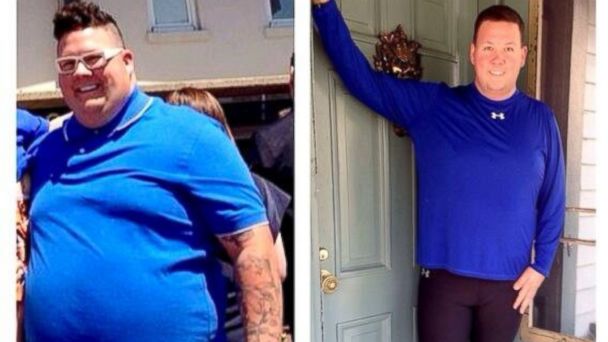
Believe in Yourself. You Can Do It !

It takes 4 weeks to see your body changing.

Try this delicious weight loss drink

Visit our weight loss pins on Pinterest by clicking on the tab above and learn how to make it at home.

Eliminate your body fat

Reduce foods high in sugar to flush the fat right off.

Keep the calories down at Starbucks

Get your buzz without the high sugar.

Frozen Greek Yogurt With Fruit

The protein in Greek Yogurt helps reduce your hunger cravings.

Return to La Pappa Organics Main Website

Return to La Pappa Organics Main Website
Click image to return to La Pappa Organics

2014 Diet Plan: 3 Day Diet Plan for Weight Loss

Three Day Diet Plan for Weight Loss


If you are looking for a simple healthy eating diet plan, then this three day plan is ideal. It can easily be incorporated into your week, if you wish to make it a regular event, or you can adopt it for long weekends to help maintain a healthy weight.

Day One

  • Breakfast: 40g muesli with 125ml semi-skimmed milk, topped with seven strawberries.
  • Snack: Three apricots.
  • Lunch: Tuna and cucumber sandwich, 80g raw carrot.
  • Snack: 150g yoghurt.
  • Dinner:  250g Low Carb Chilli con carne and rice with 70g peas. Mango chunks.

Day Two:

  • Breakfast: 40g muesli with 125ml semi-skimmed milk, topped with a small banana.
  • Snack: Two plums.
  • Lunch: Jacket potato with baked beans but no butter. 100g seedless grapes.
  • Snack: One large orange.
  • Dinner: 100g grilled salmon, with 225g of green salad. One apple.

Day Three:

  • Breakfast: 2 boiled eggs, one slice of wholemeal toast, 200ml of unsweetened fresh orange juice.
  • Snack: 50g reduced fat houmous with carrot and celery sticks.
  • Lunch: 235g Sushi. 100g seedless grapes.
  • Snack: 23g blueberry and yoghurt nougat bar.
  • Dinner: 120g grilled pork chop, 120g boiled new potatoes, 110g steamed broccoli. 160g of fresh pineapple.
This short diet limits calories while still providing adequate slow release energy, nutrients and plenty of fiber. The oats in muesli are low GI and release their energy slowly which means you digest the food slowly and this helps to control blood sugar levels, which in turn controls insulin and reduces fat uptake.

The fruits and raw vegetables provide vitamins and also fiber to help you feel full for longer. The main meal is eaten at dinner time (evening) although this is still a low calorie portion.
If some of the foods do not appeal to you try to find suitable alternatives, for example, you could replace the sushi with chicken satay, or the pork chop could be replaced with a lean steak or chicken.
The most important thing is to use the portions and pattern of eating (meals with healthy snacks in between) as a guideline to ensure that you follow a simple but healthy diet plan. For better results you could combine this type of diet plan with a 16:8 diet or a 5:2 intermittent fasting.
If you are determined to lose weight quickly you could just follow a diet plan like this for several weeks, repeating it every 3 days. Although you may start to get bored with the food choices you will at least become more efficient at obtaining and preparing the meals and snacks, which means you are more likely to follow the plan. The best diet plans are often the easiest ones to follow.

Source: motleyhealth.com

Timing of meals influences weight loss as much as total calories consumed

Virtually all western cultures are presently fighting an obesity epidemic, as processed convenience foods dominate total calories consumed. Homemade meals that include fresh vegetables, fruits and lean protein sources have become a rare event over the past half century, placing the health of millions at risk. Most people are aware that the total number of calories eaten and physical activity play an important role in weight management, but new research is beginning to demonstrate that the timing of meals and types of foods consumed may help prompt weight loss as much as the actual calories eaten.

A research team from Brigham and Women's Hospital in Boston has found that meal timing is a critical factor necessary to shed pounds. Publishing in the International Journal of Obesity, scientists reveal that it's not simply what you eat, but also when you eat, that may help with weight loss regulation. Study author Dr. Frank Sheer noted, "This is the first large-scale prospective study to demonstrate that the timing of meals predicts weight-loss effectiveness."

Meal timing is a critical and independent factor that can help promote weight loss

To conduct the study and determine the importance of food timing with respect to weight loss, researchers studied 420 overweight participants from Spain who followed a 20-week weight loss treatment program. The participants were divided into two groups (early-eaters, main meal before 3 p.m. and late-eaters, main meal after 3 p.m.) based on the self-selected timing of the main meal, which was lunch in this cohort of Mediterranean volunteers. Participants consumed 40 percent of their daily calories at lunchtime, widely considered to be the main meal in Spain.

The team found that late-eaters lost significantly less weight than early-eaters, and displayed a much slower rate of weight loss. Late-eaters also had a lower estimated insulin sensitivity, placing them at significantly higher risk for diabetes. Dr. Sheer concluded, "This is the first large-scale prospective study to demonstrate that the timing of meals predicts weight-loss effectiveness... novel therapeutic strategies should incorporate not only the caloric intake and macronutrient distribution, as it is classically done, but also the timing of food."

Interestingly, the researchers found that late-eaters losing the least amount of weight also consumed fewer calories during breakfast and were more likely to skip the first daily meal altogether, supporting previous studies concluding the importance of eating a high protein breakfast to stimulate weight loss. Scientists also accounted for other traditional factors that play a role in weight loss such as total calorie intake and expenditure, the appetite hormones leptin and ghrelin, and sleep duration, and found no differences between the two groups, indicating that meal timing is a critical and independent risk factor for weight loss.

Source: naturalnews.com

Home> Health 4 Worst December Diet Mistakes

It's that time of year again when holiday calories lurk around every corner. Family parties, office get-togethers, Saturday night soirees… you get the picture.

But even if you try to be "good" around the holidays and stick to your healthy habits, you could still be committing diet mistakes that leave you a few pounds heavier come New Year's. Avoid these December diet blunders!

Skipping meals to save calories for later

You might think "saving" your calories for a splurge later in the day (a holiday party, for example) is a smart idea, but you might actually be setting yourself up for a diet disaster. If you haven't eaten all day, you're likely to overindulge the second you are faced with a spread of appetizing food. Instead, eat normally and make small calories reductions all day long. For instance, hold the cheese on your breakfast sandwich or skip the dressing from your lunchtime salad. Those little changes add up, so when it's time to splurge later on, you'll have "saved" calories without starving yourself all day, which, of course, makes navigating temping party fare a lot easier.

Thinking "healthy" calories don't count

I always used to think if I was selecting healthy foods (veggie crudites and dip) over not-so-healthy foods (bacon-wrapped scallops) at a holiday party, the calories didn't really count. Sure, veggies and dip and similar healthy appetizers like hummus and crackers or spiced nuts, are generally low-calorie options, but the calories still add up, especially if you munch on them all night long. Instead of overdoing it, try using a small plate to serve yourself. Having a visual representation of what you're eating will help you keep even those healthy calories in check.

Feeling a little too festive with the holiday cocktails

Having a drink or two at a holiday party is a wonderful way to relax, have fun, and join in the merriment of the moment. However, it's easy to feel a little too festive once you've had a few glasses of spiked eggnog. And it's not just about consuming too many calories. If you drink too much, you don't have as much control over what you eat, which can ultimately lead to your pants feeling a little tighter. If you feel out of place without a drink in your hand, you can pace your drinking by alternating seltzer water with a wedge of lime in between alcoholic drinks. And here are some additional ways to enjoy cocktails guilt-free!

Assuming you can just work it off Regular exercise is a great way to manage excess calories during the holiday season, but it can't make up for all of your diet mistakes. For example, a piece of pecan pie will set you back almost 500 calories. If you want to work that off in the gym, you'll be trudging along on the treadmill for close to an hour! Who has time for that? Staying active will help keep those holiday calories in check, but don't rely on your workouts to ultimately keep the pounds off.

Source: abcnews.go.com

Exercise counters effect of Christmas excess on metabolism


A daily bout of exercise can counter the harmful effects that short-term inactivity and overeating have on health, according to a new study published in The Journal of Physiology.
Evidence already exists that even a few days of consuming more calories than you burn can be harmful to health.
The new study, from the University of Bath in the UK, takes a step further and suggests a daily dose of exercise can bring health benefits that go beyond just helping to burn off excess calories.
Speaking about their work, co-author Dr. James Betts says:

"This new research shows that the picture is more sophisticated than 'energy' alone: exercise has positive effects even when we are actively storing energy and gaining weight."
He and his colleagues invited 26 healthy, normally active young male volunteers, aged from late teens to early 30s, to consume more calories than normal for a week.

Researchers found that daily exercise counteracts negative health effects of short-term inactivity and overeating.
Half of the volunteers were asked to restrict their physical activity (to below 4,000 steps per day), in order to generate an energy surplus, and the other half were asked to run for 45 minutes per day on a treadmill (at 70% of maximum oxygen intake).
The inactive group was asked to consume around 50% more calories than normal, while the exercise group was asked to consume 75% more, so that everyone's net daily energy surplus was the same.
At the start and the end of the week, the volunteers gave fasting blood samples, underwent oral glucose tests and also had small samples taken of abdominal fat.

Unhealthy declines in blood sugar control

After just 1 week, the differences between the two groups were striking.
The inactive group showed a significant, unhealthy decline in blood sugar control, and their fat cells were over-expressing genes linked to disrupted nutritional balance and unhealthy metabolism, and under-expressing genes linked to healthy metabolism.
However, these effects were markedly less in the exercise group: their blood sugar levels remained stable, and while their fat cells did show some changes in gene expression, these were significantly less "undesirable."
The researchers conclude:
"Vigorous-intensity exercise counteracted most of the effects of short-term overfeeding and under-activity at the whole-body level and in adipose tissue, even in the face of a standardized energy surplus."

Despite consuming more calories, exercise group was still better off

Senior author Dr. Dylan Thompson says: "A critical feature of our experiment is that we matched the energy surplus between groups - so the exercise group consumed even more energy and were still better off at the end of the week."
He suggests the message from this study for those entering a period of overconsumption and inactivity, such as that faced by Christmas revellers, is that "a daily bout of exercise will prevent many of the negative changes from taking place even though you are gaining weight."
This study shows the effects clearly in a group of young men. However, further research is now needed to find the underlying causes, and also to see if the same happens in other groups, like women and older adults, and whether less training has the same result.
Another study published recently suggests playing exercise video games can help glucose control in people with type 2 diabetes. The researchers compared a group who used the Wii Fit Plus exercise game with a group who received standard care.

Source: medicalnewstoday.com

€4.9m project to help Europeans manage their weight

Researchers and businesses are joining forces to develop innovative techniques to help people manage their weight and increase their physical fitness with the use of emerging technology and information systems.
A three-year project, dubbed DAPHNE, comes at a time when more than 70% of adults and a third of children in some EU countries are overweight.* The multi-centre collaboration involves ten universities and technology companies, with a total budget of €4.9m.
The project will use a new generation of sensors to detect personal energy expenditure, including how much time a person has been sitting still, how much they have been walking or standing or doing housework, and can monitor their overall fitness. The data will be analysed using information mining and intelligent heuristics to recognise behaviour patterns and see how successfully an individual is making changes to their lifestyle. With mobile phone apps and other devices, individuals can be given guidance on making further changes, improving their levels of physical fitness and preventing weight-related diseases.
The DAPHNE project is being led by the Spanish health technology company Treelogic SL, in partnership with major IT companies IBM, Atos, Nevet, Evalan and SilverCloud. These businesses will work alongside researchers at the University of Leeds, the University of Madrid and the Children's Hospital in Rome, Italy, along with a professional society, the International Association for the Study of Obesity.
Project coordinator, Dr Alberto Olmo of Treelogic SL, said 'We know that thousands of people across Europe want to get fit and stay fit. There are now a number of sophisticated methods for helping them to achieve their goals using new technology. The DAPHNE research project is a unique opportunity to develop industry standardised approaches to personal data collection on health and fitness, and to make sure we work together to develop the services people need.''
The project will undertake three major areas of work. The first is the development of the monitoring sensors which can track individual behaviour and their communication of the data they collect using smartphones and other innovative communications technology. The second is the development of information analysis platforms to receive the data using cloud storage, and to process the data and send it back to the individuals and forward to other end-users, including health services and fitness centres. The third area of work is to consider how the data collected across many individuals can be integrated to provide information for health service managers, health insurers and public health agencies, and how this information should be protected and kept secure to ensure personal data is processed ethically.
'European health services are facing a rising tide of obesity related disease, including diabetes and heart disease,' said Dr Tim Lobstein, Policy Director at the International Association for the Study of Obesity. 'It can be a struggle for individuals to make changes to their lifestyles, so technology that can strengthen motivation and show personal progress could provide a useful tool and needs to be explored. We welcome this opportunity to help people to manage their weight and to improve their fitness, reducing the need for drugs or surgery.'
DAPHNE is an EU-funded study (2013-2016) to develop and test methods for collecting, analysing and exploiting personal activity and fitness information, with a focus on reducing sedentary behaviour. It will develop state-of-the-art data analysis platforms for collecting, analysing and delivering useful information on physical fitness and behaviour. Standardised data platforms will help hardware and software developers to provide personalised health information to individuals and to service providers.
DAPHNE partners: Treelogic SL (Spain), ATOS Spain SA, Evalan BV (Netherlands), SilverCloud Health Ltd (Ireland), Nevet Ltd (Israel), IBM Israel, University of Leeds (UK), Universidad Politecnica de Madrid (Spain), Ospedale Pediatrico Bambino Gesu (Italy), International Association for the Study of Obesity.

Source: medicalnewstoday.com

‘MasterChef’ Judge Graham Elliot Flaunts Weight Loss

Celebrity chef Graham Elliot is showing off his dramatic 100-pound-plus weight loss since undergoing surgery in July with a new picture posted on Twitter.
Posting a before and after photo, the “MasterChef” judge updated his followers. “Now weighing in at 268lbs, down from 396lbs. Thanks everyone for the continued support!” he wrote on his Twitter account Wednesday.
Elliot, 36, also posted photos after completing his first ever 5K run.
Check Out Graham Elliot’s Platelist
The famous chef finished the Ditka Dash, wearing a fake moustache in honor of Mike Ditka, the beloved former coach of the Chicago Bears, in 34:49 alongside his wife Allie.
“I have been jogging and training since the summer, working up to 3 miles,” he told People. “The feeling of crossing the finish line was a great sense of accomplishment.”
Graham Elliot’s Favorite Recipes
Since having a sleeve gastrectomy, in which 80 percent of a patient’s stomach is removed to create a small sleeve-shaped stomach the size of a banana, Elliot has lost about 128 pounds and overhauled his lifestyle.
Next year, he said he’s hoping to run the Chicago marathon with the help of his fellow “MasterChef” judges and avid marathoners Gordon Ramsay and Joe Bastianich.

Source: abcnews.go.com

When weight loss surgery works, it's only because of bacteria changes in the gut


Each year, roughly 200,000 morbidly obese Americans go under the knife for weight loss surgery. Most all doctors perform this surgery to save lives and it seems to be working for many. According to the American Society of Metabolic and Bariatric Surgery, after weight loss surgery, patients lose up to 60 percent of their former weight and up to 77 percent just a year later. They state that these surgeries are "preventing and improving diseases which include heart disease, cancers, and Type II diabetes."

On the surface these surgeries appear to work, but a new study points out that there's more to the story, that the weight loss surgery itself isn't the reason why patients are losing weight and keeping it off. A new study links the success of weight loss after surgery to significant bacteria changes in the gut.

Gastric bypass surgeries succeed because of changes in gut bacteria

The most common bariatric surgery, the Roux-en-Y gastric bypass, makes the stomach smaller by rearranging the digestive tract to prevent excess absorption of calories. Sounds simple and effective, but there may be more to it. Researchers from the Massachusetts General Hospital and Harvard University found out that, during the operation, significant changes in gut bacteria occur. In successful weight loss surgeries, beneficial "slimming" bacteria override the bad, bringing about a new friendly gut flora that encourages better utilization of calories and nutrients.

Changes in gut bacteria may be the weight loss secret

In a detailed experiment with mice, the researchers wanted to find out why gastric bypass surgeries were effective. They wanted to find out if these surgeries were even necessary for weight loss, or if gut bacteria is the answer. Here's what they found:

After performing the Roux-en-Y gastric bypass surgery on one group of mice, the rodents lost and kept off 29 percent of their previous weight. The researchers then transferred this new gut flora to another group of obese mice that hadn't undergone surgery. This group of mice lost weight and fat without the surgery, leading the researchers to believe that gut bacteria is a secret weight loss tool.

Furthermore, the scientists performed "sham" gastric bypass surgeries on another group of mice. They made incisions in the mice, but ultimately stapled their intestinal tract back to its normal state. These mice lost no weight and had no changes in gut bacteria. The researchers transferred their gut flora to another group of obese mice. These mice lost no weight either. This further explained that significant changes in gut bacteria are the reason why weight loss surgeries are successful.

Author of the study, Dr. Lee Kaplan, said, "The effects of gastric bypass are not just anatomical, as we thought. They're also physiological. Now we need to learn more about how the microbiota exert their effects."

Skipping gastric bypass and opting for changes in gut bacteria instead

By narrowing in on gut bacteria composition, further studies showed that the "slimming" bacteria helped raise the body's metabolism, helping patients burn calories faster. The "slimming" bacteria were also found to extract fewer calories from food, whereas fattening bacteria extract as much as possible.

By changing a patient's diet to encourage better "slimming" gut flora, doctors can help patients skip past the pricey and risky gastric bypass surgery to encourage weight loss the physiological way, not the anatomical way. By transferring "slimming" bacteria into obese people, doctors could assist the weight loss process without performing extensive surgery.

Breathing tests can indicate the presence of fattening gut flora

A recent study published in the Journal of Clinical Endocrinology & Metabolism, reports that breath tests can help indicate who is harboring fattening gut bacteria and who isn't. Breath that tests for high concentrations of both hydrogen and methane gas is most likely breath of someone who has a higher body mass index. This hydrogen and methane breath is associated with the bacterial strain Methanobrevibacter smithii, which is a fattening bacterium that extracts as many calories from food as possible.

By testing breath and gut bacteria, doctors can help obese patients change their lifestyle to build better "slimming" gut flora. This will promote a better metabolism and help create a natural weight loss environment. The gastric bypass surgery welcomes "slimming" gut bacteria, but this risky procedure can be bypassed altogether, as doctors and patients learn how to modify gut bacteria instead of gut anatomy.

Source: naturalnews.com