Believe in Yourself. You Can Do It !

It takes 4 weeks to see your body changing.

Try this delicious weight loss drink

Visit our weight loss pins on Pinterest by clicking on the tab above and learn how to make it at home.

Eliminate your body fat

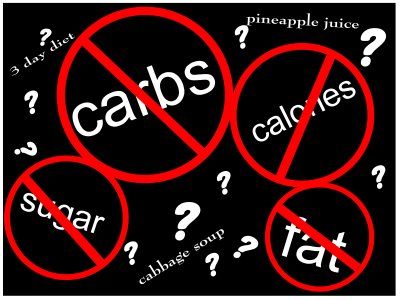
Reduce foods high in sugar to flush the fat right off.

Keep the calories down at Starbucks

Get your buzz without the high sugar.

Frozen Greek Yogurt With Fruit

The protein in Greek Yogurt helps reduce your hunger cravings.

Return to La Pappa Organics Main Website

Return to La Pappa Organics Main Website
Click image to return to La Pappa Organics

3 Steps to Avoid Gaining Weight this Thanksgiving


It’s just around the corner and you know your mom will be pulling out the stops in the kitchen. It happens every year at Thanksgiving, right?!
Be proud of the steps you’ve already made and take the lead in this battle by trying these three tips to avoid gaining weight this year. Stay focused and hopefully the hecticness of the holiday and the alluring spread of food will be easier to navigate.

Before the Meal

Eat breakfast. Remember, breakfast is the MOST important meal of the day. Start the holiday off right. Plus showing up starving doesn’t usually lead to making smart choices. Be thankful for a brand new day by starting it off with breakfast.

During the Meal

Fill your plate with Full Plate Superfoods. Try for at least 3 or 4 and eat them first. Want to impress your family? Take a tasty dish filled with Superfoods from our Pinterest Board: Holiday Eats & Treats Board.

After the Meal

Get off your rear! Don’t give in to sleepiness. Go for a stroll, play catch with a football, set up horseshoes, pull out an active game like Twister, or play hip charades. You’ll be amazed how much fun the whole family will have instead of sitting around the tube with their eyes half rolled back.

Source: fullplateliving.org

Experts endorse nutrient-packed pine nuts for weight loss, healthy heart


Nutritionists from Washington recently announced the significant role of pine nuts in ensuring health and wellness over and above their value as a flavoring ingredient in Mediterranean and Italian cuisines. Results of a series of independent scientific analyses of its components revealed that the popular spice is packed with vitamins, minerals, and other nutrients.

Among the many health benefits which may be derived from sufficient amounts of pine nuts in the diet are: anti-oxidative properties against aging; more energy for daily activities; enhanced immunity to diseases; good eyesight; strong bones; and as a feel-good food. Additionally, research evidence suggests that its fat content is heart-friendly, and that eating these nuts facilitates weight loss, promotes normal blood circulation, and is good for the nervous system.

Nutritional Highlights of Pine Nuts

Experts in natural medicine, including educators Dr. Michael Murray and Dr. Joseph Pizzorino, maintained that a hundred grams of the European pine nuts called pignoli delivers 24 grams of protein. This amount is by far the highest among nuts and seeds. Pine nuts are also excellent sources of vitamins A, B1, B2, B3, C, D and E, copper, iron, magnesium, manganese, molybdenum, potassium, and zinc. The European variety also contains less fat in monosaturated form, fiber, and carbohydrates than the American species of pine nuts called pinons. These nuts also contain lutein, pinoleic acid, and free radicals.

Health Effects of Vitamins and Nutrients in Pine Nuts

Proteins help build, repair, and maintain body tissues and are a major component of the brain, hair, nails, nerves, other internal organs, and the skin. About a normal cup of pine nuts serves half of the body's daily requirement for proteins. Meanwhile, vitamin E is an antioxidant which neutralizes free radicals that hasten the aging process. As an anti-oxidant, pine nuts also protect body cells and the cell membrane from lipid peroxidation by the action of reactive oxygen species.

Vitamins A and B1, together with the xanthophyll, lutein, are found in pine nuts and contribute to good eyesight. Vitamin B1 aids in developing stronger nerves and normalizes the heartbeat. It also serves as an energy and memory booster, brain conditioner, stress reliever and infection buster. Vitamins B2 and B3 team up with pinoleic acid in pine nuts which is essential for metabolism and the breakdown of fats for weight loss. Vitamin C is an excellent immunity builder against infections.

The iron in pine nuts works wonders for the circulatory and nervous systems. Additionally, the monosaturated fat in these nuts is good for cardiac health, fights stubborn belly fat, and lowers blood cholesterol levels.

The host of other nutrients present in pine nuts completes a balanced diet for health and wellness. Incidentally, the top producers of pine nuts are Spain and Italy, but the wonder nuts are widely available in the US and Mexico.

In Closing: Pine Nuts - Not Your Typical Edible Nut

On the whole, pine nuts make up a healthy respite from the stereotypical hazard tagged for most edible nuts. They are packed with vitamins and minerals that get your system going. Indeed, pine nuts are one of the few fine nuts you wouldn't want to leave out for a healthy diet!

Weight loss aided by texting


If the idea of keeping a food and exercise diary keeps you from joining a weight-loss program, there may be a better way - texting.
Research shows that when people keep track of their diet and exercise habits, they do better at losing weight. But sticking with detailed monitoring of what you eat and your exercise habits electronically or via traditional pen and paper can prove cumbersome. If people stop doing it, they may stop losing weight.
Tracking this information through text messages could save time and improve the likelihood of people sticking with their get-healthy routine, say researchers at Duke University.
Their study, published in the online edition of the Journal of Medical Internet Research, found that after six months, 26 obese women who used daily texting as part of the Shape Plan weight-loss intervention lost nearly 3 pounds, while another 24 who followed traditional methods gained 2 1/2 pounds. The average age of participants was 38.
The daily text messages focused on tracking tailored behavioral goals (i.e., no sugary drinks, 10,000 steps per day) along with brief feedback and tips.
Every morning, participants got a text from an automated system that said, "Please text yesterday's # of steps you walked, # of sugary drinks, and if you ate fast food." Based on how they responded to the text, the automated system sent another text with personalized feedback and a tip.
"Text messaging has become ubiquitous and may be an effective method to simplify tracking of diet and exercise behaviors," said lead author Dori Steinberg, a post-doctoral obesity researcher in the Duke Obesity Prevention Program.
Text messaging offers several advantages compared to other self-monitoring methods, she said:
  • Unlike Web-based diet and exercise diaries, data in a text message can be entered quickly on nearly all mobile phone platforms. This provides more portability, nearly real-time tracking and more accessibility for receiving tailored feedback.
  • Previous studies show that long-term adherence to traditional monitoring is poor, possibly because they are time- and labor-intensive, require extensive numeracy and literacy skills, and can be perceived as burdensome.
  • Text messaging has been conventionally limited to about 15-20 words per message, thus reducing the detail and cognitive load that is required for documenting diet and exercise behaviors.
The study primarily focused on helping obese black women lose weight (82 percent of participants were black). Researchers said that's because 59 percent of black women are obese, and many use cell phones. This combination makes text messaging a good way to reach this high-risk population.
About half of participants texted every day throughout the six-month program, with 85 percent texting at least two days per week. Most participants reported that texting was easy, and helped them meet their goals.
The key challenge in weight loss is helping people keep weight off for the long-term. So the next step is to see if texting can help people maintain their weight loss.
"Given the increasing utilization of mobile devices, text messaging may be a useful tool for weight loss, particularly among populations most in need of weight-loss treatment," Steinberg said.

Source: medicalnewstoday.com

How Diet Choices Help Weight Loss and Weight Management


Whether you are an athlete or a couch potato losing body fat and maintaining a weight lose is not an easy thing to do. Anyone wanting to lose weight needs to reduce calorie intake and/or increase energy expenditure. It's simple math. But is there a way to decrease calories without feeling hungry? Barbara Rolls, a food nutrition researcher at Pennsylvania State University, offers the following tips.
Eat Some Protein
Research shows different foods and nutrients affect how full and satisfied people feel. For example, a number of studies indicate that calories-for-calorie, protein makes a person feel more full than carbohydrates or fats. This suggests that eating adequate lean protein can help control hunger and food intake.
Eat More Fiber
Additionally, dietary fiber has been shown to affect the feeling of being full and food intake. Research shows that eating an additional 14 grams of fiber per day is associated with a 10 percent decrease in calorie intake and a loss of body weight of a four pounds in four months. Eating more high-fiber foods such as fruits, vegetables and whole grains is a nutritionally sound way to not feel as hungry when reducing calorie intake. (Note: increase fiber gradually to avoid stomach upset, gas and diarrhea.)
About Energy Density of Food
In addition to nutrients such as protein and fiber, the energy content of food, gram for gram, also affects how full we feel. The term for this is energy density, which is simply the amount of calories in a gram of food. The relationship between the weight of food and its calories content is largely based upon the amount of water in the food. Water adds weight but not calories, so the higher the water content the lower the energy density.
Studies consistently show that over the course of a day or two, a person eats about the same weight of food. On average, the weight of food eaten is more constant than the daily calorie intake. So if you eat the same amount (by weight) of food, but lower the calories in each portion, you will consume fewer calories. Studies also indicate that you don't even miss the calories and feel just as full as the high calorie day.
Low Energy Density Eating Tips
  • Eat more water-rich fruits, vegetables, and soups
  • Add fruit to breakfast cereal
  • Choose fresh fruit for snacks
  • Add more vegetables to pizza, stir-fry, and pasta dishes
  • Include a tossed green salad with lunch and dinner
  • Choose broth-based soups before meals or as a meal
  • Increase fiber intake by eating more high-fiber cereal, whole grains, legumes, vegetables and fruits.
  • Limit intake of dry foods
  • Limit consumption of dry foods such as pretzels and crackers, as they are dense in calories and are easy to overeat
  • Drink water, low-calorie or calorie-free beverages such as fruit juice diluted with seltzer, diet soft drinks, etc.
  • For snacks, "liquid foods" such as vegetable cocktails and drinks containing protein, such as those based on milk, are good choices to increase the feeling of fullness.
Must Reads

  • Research - How Many Calories are In Foods You Eat?
  • Plan - How Many Calories Does Exercise Burn?
  • Calculate - What is Your Body Mass Index (BMI)?

To learn more check out Volumetrics: Feel Full on Fewer Calories by Barbara Rolls. Volumetrics discusses the science of satiety; what researchers know about food choices that help us feel full. Learn how to eat low-calorie, high-volume foods so you feel full even though you've eaten fewer calories. You'll lose weight without feeling hungry or deprived.

Source: sportsmedicine.about.com

20 Ways to Win at Losing Weight


The pure mathematics of weight loss is simple—eat less, move more—but if knowing that were all it took, everyone would be in great shape. Los Angeles–based personal trainers Bob Harper and Jillian Michaels have been helping to define the bodies of celebrities like Gwyneth Paltrow, Ellen DeGeneres, and Laura Dern, and they've also changed the lives of contestants on NBC's weight loss reality show, The Biggest Loser. Michaels is co-owner of Sky Sport and Spa. Here's what they know about diet and fitness success.

1. There's no one secret to being thin.
Losing weight and keeping it off, says Jillian Michaels, "requires a holistic approach that combines proper diet, good workouts, knowing why you overeat, and understanding how to push yourself toward change." The desire to change, she adds, really has to come from inside. "Sometimes you've got to have hit bottom, like realizing you can't play tag with your kids without getting out of breath," Jillian says. "If you're not ready for something new, no matter what you try, it's not going to work."

2. Don't blame your genes.
Yes, everyone is built differently, and some of us gain weight more easily than others. But "to say, 'I can't make any improvement because I have fat genes' is b.s.," says Jillian. "It's not true, and it's disempowering. No matter what your genes are, you have the ability to make the right choices about eating and exercise."

3. Cut yourself some slack.
The main thing is to make peace with your body before you try to change it, says Bob Harper. "Okay, you're overweight. But how great that you've decided to do something about it! Accepting where you are at the moment takes away the white-knuckle feeling that can sabotage you fast: 'I've got to lose weight! I've got to! Damn, I didn't lose any weight today. I've failed! Forget it, I won't even try anymore.'"

4. Study up.
Before you lift a toe, do some legwork. "You can learn about nutrition and diets on Web sites like howstuffworks.com or through books like Nutrition for Dummies," says Bob. Preparation helps you train wisely, too. "You can't just jump into an exercise program without knowing what you're doing," says Jillian. "At best you'll waste your time; at worst you could get injured." Find a beginner class or trainer to teach you the nuts and bolts. Or use books, fitness magazines, and videos. "Crunch Fitness puts out some awesome books that show all the basics," she says, "including Beginner's Luck, by Brad Hamler, and Perfect Posture, by Scott G. Duke."

5. Keep an honest food journal.
"It's essential," Jillian insists. "You need to track what you eat in detail. Not 'peanuts,' but how many peanuts. What time of day? And why are you eating just then? Writing it down makes you accountable and aware, and it helps you identify the mistakes you're making. Maybe your blood sugar is fluctuating through the day. Maybe you're skipping meals. Maybe you feel like you're not eating that much but, when you add it up, it comes to 2,500 calories a day."
6. Experiment to find your own diet.
Some foods are obvious no-no's: trans fats, processed food, white sugar, and excessive alcohol. Beyond that, though, everyone's body is different, and just because a diet book is on the best-seller list doesn't mean its program will work for you. "Some people thrive on a strictly high-protein diet, while others do great with fruits, grains, and beans," says Jillian. "You've got to ask yourself questions: When I eat meat, do I feel sluggish or agitated? When I eat fruit, do I feel satiated? Sometimes it takes a lot of trial and error to find the right combination of foods. And as a trainer, I've learned that you also have to take human frailty into account. If you can't bear the idea of giving up bread, choose whole grain and try to eat it with some protein." The protein, she explains, will slow the breakdown of the bread so its carbs won't cause your blood sugar to spike and then—as so often happens—crash, making you hungry again for something starchy.

7. Don't ever starve yourself.
Dieting means cutting calories, but less isn't always more. "One of the biggest misconceptions I've seen—including among the women I'm training on the show—is that the less you eat, the more weight you'll lose," says Jillian. "Maybe at first. But your body will think you're dying from lack of food, and your metabolism will adjust by slowing to a crawl." Most women should never eat less than 1,200 calories a day.

8. Outsmart your exercise excuses.
A routine you'll actually stick to has to have elements that appeal to you. If you love being outdoors, try hiking or walking somewhere inspiring—a beach, a park, a historic neighborhood. You also need to assess what motivates you. If you get competitive and push yourself more when you're around others, join a gym, take a class, or play a sport like tennis or softball. If you're good at finding reasons to skip a session, make a commitment to do something with friends, so you can't back out without letting everyone down.

9. Don't forget the weights.
The best fitness routine includes a combination of heart-rate-boosting exercise like jogging or stair-stepping and resistance training, which means either lifting weights or using gym equipment. Cardio burns the fat; resistance training creates shape and increases muscle mass—and the more muscle you have, the faster your metabolism runs, even when you're resting.

10. Start with baby steps.
Working out for 20 minutes a day isn't enough to get you buff, but "even that will start speeding up your metabolism," says Jillian. "Walk to a local restaurant during lunch hour, walk the dog, walk to the convenience store. The idea is to get moving."

Bob couldn't agree more. "Thinking, I can't get in shape because I don't have two hours a day to exercise is just another excuse for doing nothing," he says. "Start small, because small can only get bigger. Starting big means burning out, blowing out, getting hurt—another reason to stop."

11. Tough it out.
Accept that the early days of a fitness program may not be fun. "You've just got to push through," says Jillian. "Your body is an amazing machine. After two weeks, the walk that used to have you sucking wind won't even tire you. It took only that long for the women on The Biggest Loser to discover they could do exercises they initially found impossible. By the end of the first month, you'll see some pretty significant changes. That's when I get calls from my clients: 'Oh my God, I felt my hip bone!'"

12. Don't expect dramatic weight loss to continue.
Depending on where you're starting from, "during the first two weeks of a new diet and fitness routine, you can drop as much as 15 pounds," says Bob. "After that, it tends to be one to two pounds a week. But everyone hits plateaus, which means that you can diet and exercise religiously for weeks without losing any weight at all. You just have to stay strong and ride it out. Life is all about ebbs and flows, and if you stick to your program, the weight will start coming back off."

13. Keep your body guessing.
Constantly surprising your body will help you avoid those weight loss stalls and get you out of them if they do occur. "You want to keep your food intake fluctuating, so your body never quite adjusts," Jillian says. "With women trying to lose weight, I like to vary it by around 400 calories. One day they'll eat 1,700 calories, then drop to 1,300 for two days, then two at 1,500, and one at 1,700 again."

The same principle holds true for exercise. "At first doing the exact same thing over and over is fine," says Bob. "You'll see results, which will keep you motivated. Eventually, though, at around four weeks, you'll need to vary the routine or your body will get used to what it's doing. But the smallest change can make a huge difference. If you've been walking on a treadmill for 30 minutes, slow your pace by half and increase the incline. If you're riding a stationary bike on the manual setting, switch to a program that imitates climbing hills. At one point, the contestants on The Biggest Loser had been doing barbell curls for a few weeks. So I had them change to just holding the barbells for five minutes without letting them drop. They couldn't believe it—it was killing them!"

14. Visualize long-term change, not deprivation.
"My clients, particularly those who have to lose a lot of weight, are often very angst-ridden when they start," says Bob. "They say, 'You're going to take away the food I love! You're going to make me do things I don't want to do, which is why nothing has ever worked for me!' I try to get them to relaaaax. This isn't about beating yourself down but lifting yourself up. It involves realizing why your eating has gotten out of control and starting to think about food differently. In fact, when my clients get close to their goal weights, I often give them one day a week to eat whatever they like—popcorn, M&M's. Losing weight and keeping it off means balance—not going without treats for the rest of your life."

15. Learn to hit the pause button.
Part of changing your eating patterns requires altering your reflexes. "When you find yourself thinking, I'm going to get an ice cream cone because I've had such a bad day, just stop," Bob says. "Take a moment and ask yourself, Am I really hungry? Do I really want this? Why do I want it? The pause gets you thinking instead of simply acting on impulse."

If it turns out that what you're feeling is something other than hunger, Jillian adds, find a nonfood treat. "Instead of eating the ice cream, reward yourself with a manicure, massage, or bubble bath. Do something positive, healthy—something that makes you feel beautiful and is incompatible with breaking yourself down."

16. Just forget about your thighs.
Try viewing exercise as helping you increase what you're able to do, rather than fixing a "flawed" body part. "Whenever I start working with women, I hear complaints like 'My thighs are too big' or 'What can I do about my butt?'" says Bob. "Once you get someone moving, however, that can change to, 'Wow, I never knew how weak I was.' Being aware of a flaw can be good for getting you started, but it's more productive to think about being fit and healthy than about how you look."

When you become aware of how physically strong you can be, adds Jillian, "it translates into all other areas of your life."

14. Don't be afraid to take a break.
"If your legs are feeling heavy and you're constantly sore, you've been overtraining," says Jillian. "Take some time out, up your calories by 10 percent, relax. Let your system recuperate." Otherwise you're at risk of hitting a plateau or burning out and giving up.

18. Consider calling in professional help.
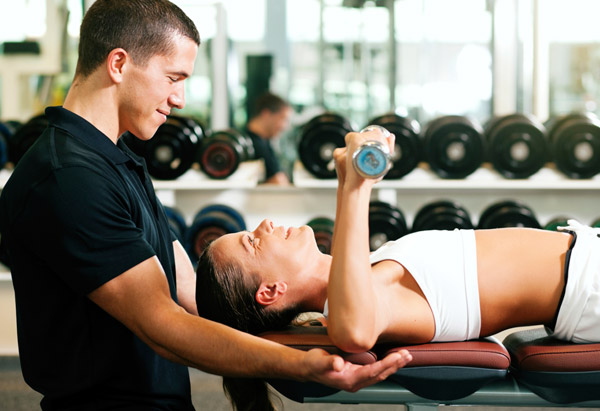
Personal trainers can be invaluable if you're a rank beginner, have hit the doldrums, or worry that you can't stay motivated on your own. Depending on where you live and how long the trainer has been in business, the cost can be as little as $25 an hour or as much as $300. Sometimes one or two sessions are all you need to get on track. When deciding on a trainer, look for certification by organizations like the International Sports Sciences Association, the National Endurance & Sports Trainers Association, the American Council on Exercise, American College of Sports Medicine, the American Fitness Training of Athletics, or the Aerobics and Fitness Association of America. Ask the trainer about his or her background. "Is this an actor or someone with other aspirations? If so, move on," says Jillian. "Get references and call them. A trial session can tell you whether your individual needs and goals will be addressed or if you'll just be thrown into a one-size-fits-all routine. Finally, you have to ask yourself, Is this someone I like? Someone who'll inspire me? Someone I'll want to see at 6 in the morning? If you're thinking of joining a gym because it provides personal trainers, "ask for a free week of private training before you sign the contract," says Bob. And make sure that gym trainers, too, have the proper credentials.

19. Don't even think about those gimmicks.
"Any gadget that promises you a rock-hard butt and firm abs in two minutes a day is a waste of money," says Bob. "Fitness doesn't happen overnight."

20. Keep your perspective.
Don't count on getting the spectacular body of a movie star—unless, that is, you were blessed with a naturally great figure. And certainly don't blame yourself for not measuring up (or down, as the case may be). "Celebrities have private chefs; trainers like me working with them 24 hours a day, six days a week; and plastic surgeons to fix whatever problems are left," says Jillian. And then there's good lighting, airbrushing, and all sorts of photographic wizardry. "Hollywood," she adds, "is a very small piece of the world. It is not reality."

Source: oprah.com

Swimming to lose weight

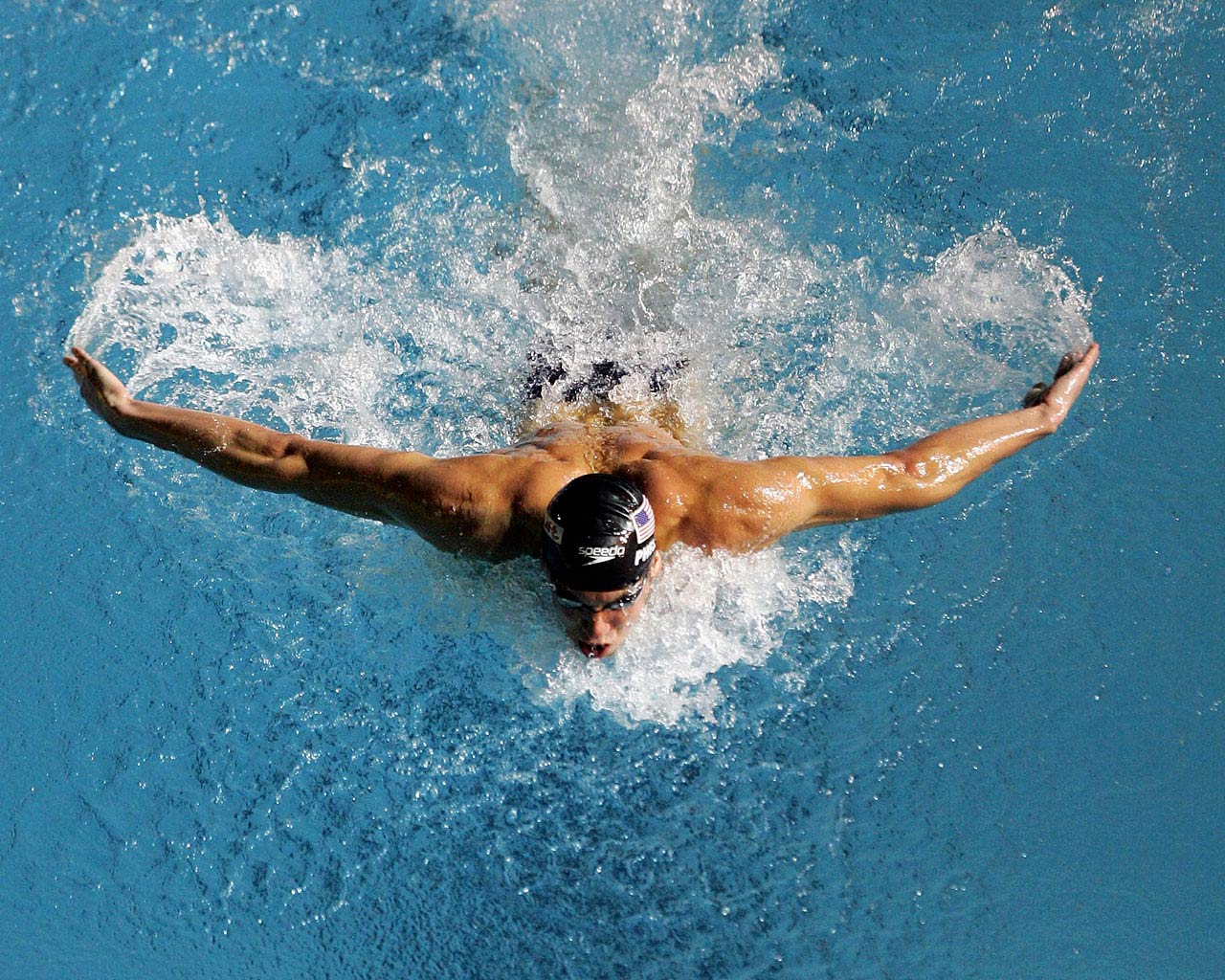
Swimming helps lose weight, burn calories and puts little stress on your body. Swimming works all the major muscles, and will tone you up and slim you down!
You can train to swim at a competitive level or you can enjoy a few healthy lengths at your local pool; you decide how much you want to achieve in swimming and set your own pace.
Whatever level you choose, swimming is good for you and it's never too late to learn or improve your swimming skills. A relaxing form of exercise means weight lost by swimming is fun too!
Many public pools now offer swimming combined with aerobics , (aqua-aerobics), to help lose weight. This is high impact aerobics without the high impact. Aqua-aerobics (or swim-nastics) will help to shed those pounds, and tone you!

What are the benefits of swimming to aid weight loss?

Swimming burns calories, so helps you lose weight and swimming for weight loss has been regularly praised for its cardiovascular health benefits, especially for older people.
As swimming uses so many muscles in your body, your heart and lungs must work hard to supply them all with oxygen. This means that swimming will give your cardiovascular system an excellent workout.
Any exercise that makes you breathe a little heavier is good because it means your body is working hard!  As your heart and lungs get stronger you will be able to go for longer before you get tired, your resting heart rate will decrease and blood pressure will lower.
Regular swimming when losing weight will improve your health and may reduce the risk of chronic illnesses, such as heart disease, type 2 diabetes and stroke. The NHS choices website offers more information.

Can swimming improve your figure and muscle tone?

Swimming is known to be one of the best all round aerobic exercises because it works all the major muscle groups so targets every area of your body.
There are 4 main strokes to choose from:
  • Freestyle
  • Breaststroke
  • Backstroke
  • Butterfly
and you can tailor your swimming sessions to exercise specific areas of your body.

Will swimming improve strength?

Swimming provides constant resistance exercise as you are battling against the water to propel your body forward. This makes it excellent for increasing strength especially in the upper body.
As your swimming progresses you will build muscle which in turn burns fat. So calories will be burned as you swim, plus you will burn more calories as your swimming improves.
You will also burn an increased amount of calories even after the exercise is finished as your body uses energy to recover and rebuild muscle tissue.

Will swimming improve flexibility?

Due to the nature of the movement when performing swimming strokes it can aid in improving the flexibility of the muscles and joints.

What are the other benefits of swimming?

  • Top athletes use swimming to aid recovery from injury as it is low impact but still builds excellent muscular and cardiovascular endurance. So if you have had an accident and want to get back into exercising, taking up swimming is an ideal way to do that.
  • It’s fun. You don’t have to just do length after length in the pool. Things like treading water burns calories too. So if you have kids take them down to the pool and enjoy it. It will be excellent for their health too.
  • Swimming can be relaxing and give you a little ‘me’ time away from it all. Burning calories might be the last thing on your mind but what an excellent bonus.
  • You could also join a water aerobics class if lane swimming isn’t your thing. These are held in most pools so check in and ask at your local centre to find out more. Or alternatively maybe you fancy giving water polo a try.

How many Calories will Swimming Burn?

Depending on your weight and exertion level you'll burn between 90-550 extra calories in a half-hour session.

Getting Started with Swimming

If you are unsure of how to start, then our handy tips will get you on your way…
  • Check out your local pool; most public pools have separate times for different groups - adults only / men only / women only / mother and toddlers
  • Try to set aside time at least once a week when you will go swimming.
  • Remember to warm up and stretch before you swim off as the large range of rotation around the joints from swimming means you need your muscles to be long and flexible.
  • Don’t forget your legs, which are often overlooked when swimming.  Stretching them will reduce drag in the water by improving your form and also help prevent cramp.
  • Get a friend to join you if this will help motivate you.
  • Start off by swimming a few lengths of the pool and build up the distance each week.
  • Change your strokes to add interest and exert yourself in different ways.
  • To begin with have breaks every few lengths to get your breath back. Each session decrease the duration of this break until you can cut them out entirely and swim nonstop.
  • Look out at your local pool for news of swimming clubs which normally cater for all age groups.

Swimming Kit Bag

  • Costume/Trunks - There are hundreds available, you decide which you feel most comfortable in.
  • Goggles - Improve vision and prevent chlorine irritating the eyes.
  • Ear plugs- useful if you don’t like to get water in your ears, or if you're susceptible to ear infections.
  • Water Bottle – Remember you are exercising so need to keep your body hydrated.  Keep this at the end of your lane so that you can drink in your breaks.

Safety when Swimming

Even in a pool with lifeguards, there are dangers and more so if you a learner or not a strong swimmer:
  • Do not get out of your depth.
  • Have respect for other swimmers and give them enough space to go by if they are faster.
  • Take extra care when swimming in the sea or lakes / open water.

And Finally, if you can’t swim…

Do not worry as many pools offer adult-only beginner lessons so have a look at your local leisure centre to see what is available; pensioner’s  and children’s rates  will often be heavily discounted.

Sourrce: weightlossresources.co.uk

For Obese Teen Girls, Aerobic Exercise May Trump Resistance Training in Health Benefits


Obesity has more than doubled in children and tripled in adolescents in the United States in the past 30 years, according to the Centers for Disease Control and Prevention. The growing rate of childhood obesity is a major health concern since overweight and obese youth are at increased risk of developing several diseases once considered reserved for adults. These new pediatric diseases include type-2 diabetes, metabolic syndrome, and non-alcoholic fatty liver disease, a condition in which fat builds up in the liver, potentially impairing its function over time.

Although both diet and exercise have been considered as first lines to treat childhood obesity, SoJung Lee of the Children's Hospital of Pittsburgh, University of Pittsburgh School of Medicine and her colleagues recently showed that when obese adolescent boys increased physical activity alone, they improved several markers of health. These include reducing total fat, fat packed around organs in the abdomen (known as visceral fat, a risk factor for diabetes), and liver fat, and improving fitness of their heart and lungs.
To see if physical activity might work in the same way for obese adolescent girls, Lee and her colleagues performed a new study that compared the health effects of two different types of exercise -- aerobic exercise and weight lifting -- over three months to remaining sedentary. Although their results show beneficial effects for both types of exercise, the researchers found that girls who performed aerobic exercise, but not weight lifting, had significant reductions in visceral fat and liver fat, as well as improvements in insulin sensitivity, another risk factor for diabetes that's linked with obesity.
The article is entitled "Aerobic Exercise But Not Resistance Exercise Reduces Intrahepatic Lipid Content and Visceral Fat and Improves Insulin Sensitivity in Obese Adolescent Girls." It appears in the online edition of the American Journal of Physiology-Endocrinology and Metabolism, published by the American Physiological Society.
Methodology
The researchers recruited 44 obese girls between 12 and 18 years old. They separated these volunteers into three groups. One group was assigned to perform 60 minutes of aerobic exercise three days a week for three months, either running on a treadmill or using an elliptical trainer. A second group was assigned to perform the same amount of resistance exercise, but instead participated in aerobic exercise program, doing 10 whole body resistance exercises using weight machines over the course of each hour-long session. A third group was asked not to participate in any structured physical activity program over the course of the study. Before the exercise programs began, all the study participants had a detailed physical exam, which included measuring their total fat, visceral fat, liver fat, and fat embedded in their muscles through various noninvasive means. The researchers also measured the volunteers' insulin sensitivity, a risk factor for diabetes, as well as basic health measures including weight and physical fitness.
Results
The researchers found that those in both exercise groups had less total fat and intramuscular fat by the end of the three-month study period compared to the sedentary group. However, the two exercise groups differed significantly in other measures. Overall, those in the aerobic exercise group lost visceral and liver fat and improved their insulin sensitivity, but those in the other groups didn't.
Importance of the Findings
These findings suggest that for teen girls, aerobic exercise might be superior to resistance exercise for cutting health risks associated with obesity. They also note that, anecdotally, girls in the aerobic exercise group seemed to enjoy their workouts more than those in the resistance exercise group, an opposite sentiment from the obese boys in their previous study.
"Therefore, given the superior improvements in metabolic health with aerobic exercise and the enjoyment factor, we propose that aerobic exercise may be a better mode of exercise for adolescent girls of this age group," they write.

Source: sciencedaily.com