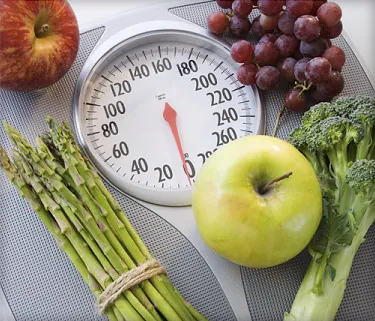
Believe in Yourself. You Can Do It !

It takes 4 weeks to see your body changing.

Try this delicious weight loss drink

Visit our weight loss pins on Pinterest by clicking on the tab above and learn how to make it at home.

Eliminate your body fat

Reduce foods high in sugar to flush the fat right off.

Keep the calories down at Starbucks

Get your buzz without the high sugar.

Frozen Greek Yogurt With Fruit

The protein in Greek Yogurt helps reduce your hunger cravings.

Return to La Pappa Organics Main Website

Return to La Pappa Organics Main Website
Click image to return to La Pappa Organics

Why You Can’t Lose Weight


If you’ve ever thought—I’m a runner. Why do I still struggle to shed pounds? It’s not fair!—we’re right there with you, sister. Get the body you want without the headache by avoiding these common weight-loss traps.
Wonder why you can run 13 miles but can’t lose those 13 pounds? You’re not alone! Many runners have trouble getting down to a healthy weight and are naturally frustrated. Visit the finish line of any marathon and you’ll see runners of all shapes and sizes—and hundreds of people who can complete the grueling race but are still struggling with their weight.
Running is unequivocally awesome, but sometimes our beloved exercise falls short when it comes to fat loss. Every year, women decide to train for a big race as a means to drop pounds. But believe it or not, training for fat loss and training for a long-distance event are (almost) mutually exclusive objectives. To successfully train for a marathon, you need to make your body extremely efficient at running, so you can complete 26.2 miles using the least amount of energy possible.
To train for fat loss, you must avoid efficiency by constantly putting new demands on your body to burn the most amount of energy possible. Keep in mind, another word for “energy” is “calories.”
That doesn’t mean runners can’t lose weight. We just have to steer clear of common traps. If you are struggling with your size, never fear! Here’s how to overcome every obstacle . . .

TRAP

You run long, thinking that you need to keep going for at least an hour to burn fat.
Forget everything you learned in the 90s about the “fat-burning zone.” The latest research shows that running for less time is actually more effective for fat loss than running long and slow. A recent study published in the American Journal of Physiology discovered that regular 30-minute workouts resulted in more weight loss than regular 60-minute workouts. At the end of the 13-week study, the half hour workout group lost 8.8 pounds, while the one hour workout group lost 8.4 pounds. Scientists hypothesize that our bodies compensate as the exercise session drags on, thereby dampening the results.
In addition, a number of studies have revealed that high-intensity interval training is much more effective for fat loss than steady-state cardio. One study had a group of women perform 20 minutes of interval training on a stationary bike three days per week. Over 15 weeks, these women lost an average of 5.5 pounds (although some lost nearly 20!) without dieting. Those in a separate group who performed 40 minutes of steady-state cycling three days per week actually gained a pound of fat over the same time period.

Solution: Cut your workout time in half and step up your intensity. Try performing each of these workouts once per week:
* Using a treadmill, warm up by jogging for 5 minutes, then ramp the incline up (5 to 10 percent) and increase the speed to a pace that feels fast but not impossible (4 to 9 mph). Run for 8 seconds then place your feet on the sides for 12 seconds. Repeat this for 10 to 15 minutes.
* Find a route near your home with clear markers (e.g., telephone poles, short blocks, tightly-packed houses). Sprint to the first marker and walk or jog to the next. Continue repeating this pattern for 20 minutes.
* For more interval workout ideas, check out “No Time? No Problem!” on page 20.
RELATED ARTICLE: GET STRONG, REDUCE INJURY & BURN MORE FAT!

TRAP

You skip your post-run snack.
Many women avoid eating post-run in an effort to cut calories. Big mistake. After you work out, your body is crying out for fuel. Research shows that ingesting both carbs and protein in a 2-to-1 ratio post-workout will help replenish glycogen stores and shuttle protein into your muscles to help you recover.
If you skip this snack, your muscles can’t repair properly. This means the next time you work out, you won’t be able to go faster or work harder because you never recovered from your previous session. Remember, your body needs to be challenged in new ways in order to lose fat. If you can’t push yourself progressively harder, your weight won’t change.

Solution: Eat a 200-calorie snack with both carbs and protein 30 minutes to one hour post-workout. Good options include:
* A smoothie made with almond milk, one banana and a scoop of whey protein powder.
* One apple with two cubes of cheddar cheese.
* Two slices of deli turkey and a handful of blueberries.


TRAP

You never take days off.
Do you run day after day without giving your body a break? Keep in mind that you gain results while recovering from your workouts (as your body repairs itself), not from the workout itself (when your body breaks down). Whether you’re running for fun or training for a marathon, you must prioritize recovery as part of your plan. If you never allow your body to rest, it can’t become stronger and faster. Your workouts will turn into time spent going through the motions, and you won’t be able to push yourself hard enough to lose fat.

Solution: Take at least one day off per week to let your body recuperate. Get the most out of your recovery:
* Do nothing more strenuous than gentle stretching on your day off.
* Eat foods with antioxidants. Think: bell peppers, beans, berries and leafy greens.
* Sleep for seven and a half hours or longer every single night.

TRAP

You’ve been running for years, hoping that you’ll finally shed the pounds.
A longtime commitment to running is something to take pride in. Unfortunately, when it comes to weight loss, your body may have adapted. This is why women often see significant weight loss when they initially start running, but notice that these results wane over time. The first time you ever ran a mile, you may have burned 100 calories. Now that number is likely significantly lower because your body has become a finely tuned running machine. If you want to lose weight, you need to change up your program and start cross training.
Solution: Trade two to three days of running per week for cross training. The best cross-training workouts include:
* Weight lifting and strength training.
* Interval training on a bike.
* Sports-specific training. Join a soccer, basketball or Ultimate Frisbee team!

TRAP

You never lift weights.
Muscle is metabolically active and helps to burn calories and fat. When you are trying to lose fat, muscle is your best friend. If you have been putting in a lot of mileage, you may be burning muscle and slowing your metabolism. One study from West Virginia University compared aerobic training with strength training for weight loss. The aerobic group performed four hours of aerobics a week while the resistance-training group completed a few sets of 10 strength exercises three times a week. The resistance-training group boosted metabolism compared with the aerobic group, which decreased metabolism because of lean muscle loss.
Besides building muscle, strength-training workouts also increase your metabolism for 24 to 48 hours post-exercise, which will help you burn calories even when you’re not in the gym.
Solution: Schedule two to three strength-training sessions every week to build lean muscle and give your metabolism a boost. 

Source: www.womensrunning.competitor.com

Fat Loss Through Nutrition

Cleaning up your diet will increase the effects of fat loss and give you more vitality. Learn how to eat smart with fiber, carbs and protein in your diet. 


Personally, I think that most people that want to lose weight claim that eating healthier is the largest barrier standing in the way of their goal. However, I do not believe that this is due to pure laziness. The lack of knowledge concerning nutrition is what I feel prevents the majority of people from starting or sticking with a diet. Companies have made, and continue to make millions off of this fact. Take your average fitness magazine; every month there is at least one new diet for readers to try out. Dr. Atkins (who just recently had a heart attack) has made a fortune off of his famous high protein and fat, low carbohydrate diet. So, what should you eat, how much, and how many times a day? That depends on you!

Being Too Strict

The biggest mistake that I have seen with dieters is that they go into a diet with the intention of being overly strict on what they allow themselves to eat. The problem is that when they slip up and cheat, they see it as absolute failure and quit the entire idea. The result is a retiring back to old, bad habits. This is called the Abstainence-Violation Effect and needs to be avoided at all cost. You need to approach dieting with a flexible mind set, allowing yourself to have food, here and there, that doesn't go along with the program. Otherwise, you will drive yourself nuts and end up worse off than when you started.
Dieting can be very simple, if you allow it to be. Fat gaining is achieved when you consume more energy, in the form of calories, than you expend throughout the day. Fat cells are simply cells that store excess energy. The only way to get rid of that excess energy is through burning off more calories than you take in, plain and simple. In addition to exercising more, cleaning up your diet will increase the effects of fat loss and give you more vitality.

Are Carbs Really the Enemy?

For some reason, Americans have this idea that eating carbohydrates is actually what makes you fat. This is true if you eat large amounts of high giglycemic index(GI) carbohydrates. The GI is a ranking of carbohydrates that refers to the amount of blood glucose that appears after ingesting a form of carbohydrates. High GI carbohydrates result in higher amounts of blood glucose, leading to higher levels of insulin following ingestion. Low GI carbohydrates result in lower amounts of blood glucose and insulin. The increase in insulin has been related to increased fatness in individuals tested. This is because insulin is the body's main anabolic hormone, increasing glycogen stores, protein stores, and fat stores. This occurs through activation of enzymes that cause cells to store these nutrients and inactivation of enzymes that cause a release of these nutrients from cells. Studies conducted have demonstrated that animals fed low GI diets were leaner and had lower blood glucose than animals fed high GI diets.

High GI Carbs

Sources of high GI carbohydrates are those that are high in refined sugar and refined starch, "starchy carbs". Examples of high GI carbohydrates are most cereals (cereals high in bran have a lower GI), white bread, potatoes, rice, popcorn, and carrots. Now, be reasonable, although carrots are high on the GI, a person would have to consume a large amount of carrots, daily, in order to get the full effect as you would from a normal serving of something like white bread. Sources of low GI carbohydrates are those that are high in fiber. Examples include virtually all vegetables (excluding carrots) and fruit. While fruit is high in sugar, fructose, it is low in glucose, which is why it is a low GI carbohydrate. Another reason why vegetables and fruits are low on the GI is because they both contain relatively larger amounts of fiber. Fiber cannot be digested and absorbed for energy by the small intestine. However, fiber can be broken down in the large intestine by bacterial flora. This process results in fermentation in the colon to produce carbon dioxide, alcohol, and/or an organic acid.

Fiber

There are two types of fiber, water soluble and water insoluble. Soluble fiber is rapidly broken down and fermented while insoluble fiber is not. Soluble fiber slows the appearance of glucose in the blood due to its viscous property. The viscosity of soluble fiber slows down the transit time of foodstuffs in the upper digestive tract, and lowering nutrient absorption rates. This, in turn, lowers the blood concentrations of ingested macronutrients, leading to lower amounts of absorbed energy. Other great sources of fiber come from melons, oat bran, psyllium, wheat, and whole-grain breads.

Eat Fat!

Fat should not be avoided. While fats are the most energy dense of all the macronutrients, they are a vital part of a diet. Diets high in saturated fats, such as lard, should be avoided. Saturated fats keep lipolytic enzymes (enzymes that break down fat for energy) dormant, thus promoting increased fat stores, not to mention the health risks that are involved in diets with high amounts of saturated fatty acids. Trans-fats are made through hydrogenation that solidifies oils (unsaturated fats). Sources include margarine, cookies, crackers, and most snack foods. Unsaturated fats, both mono and polyunsaturated fats are oils and are both healthy sources of fat, if taken in moderation/low amounts. This is because many unsaturated fats are essential; our body does not make them. Without these fats, our bodies would not function properly, and you need proper functioning if you want to lose fat. Great sources of these types of fats are olive oil, flaxseed oil, corn oil, soybean oil, salmon, tuna, cod, walnuts, peanuts, sunflower oil, and safflower oil.

Ahhh Yes, Protein

protein is the only macronutrient that has an RDA, Recommended Daily Allowance, and it is .8 g of protein/kg of body weight. A lot of the new literature is stating that athletes may benefit from increasing protein intake to 1.2-1.6 g of protein/kg of body weight. However, the typical American diet usually exceeds these amounts in a given day. Excessive protein is stored as fat just as excessive fat and carbohydrate intakes. If you do decide to increase protein intake, you might want to consider increasing water intake also in order to keep your kidneys healthy. Quality protein is important. There are nine essential amino acids that we must get from food. Eating a variety of protein sources will ensure that you are getting all nine of these amino acids. Quality sources are usually in the form of animal tissue such as beef, fish, chicken, and eggs. However, you can get all nine amino acids from mixing beans and corn. Also, tofu and enriched soy can also yield quality protein.

Tips to Chew on

I've listed many food choices that you can choose from when you get ready to start your diet. Don't forget to allow yourself room to cheat. Personally, I have a cheat meal once every 3-5 days. Here are some things to keep in mind!
  1. Stay away from fried foods.
  2. High fat foods make a person fatter if overconsumed.
  3. Foods high in refined sugar and refined starches make a person fatter.
  4. High GI foods make people fatter even when low GI foods have identical calorie content.
  5. Eat in variety and moderation.
  6. Avoid the Abstinance-Violation Effect.
  7. Eat more fresh vegetables and fruits.
  8. Eat between 3-5 meals per day.
  9. Don't starve yourself.
  10. Be positive.
Also, here are a couple of figures to keep in mind when designing your diet
  • 50-60% of calories should come from carbohydrate.
  • 20-30% of calories should come from fat.
  • 10-20% of calories should come from proteins.
Source: www.bodybuilding.com

28-Days-to-Lean Meal Plan

With the right plan and the right discipline, you can get seriously shredded in just 28 days.


You're training hard every day with your program, going heavy on the weights and sweating up a storm with cardio. Newsflash: While that's critical to your ultimate success, that's just not enough for you to lose the fat you want to.

To reach your get-lean goal, you must also follow a get-lean diet. Why? Even if you work out hard for an hour every day, that still leaves 23 more hours for you to wreck all your hard work in the gym with just one slip-up: a measly handful of chips, a beer with the guys or a burger at lunch. Diet is a huge, so to speak, part of the fat-loss equation. It's the backbone of your entire plan, the foundation of a hard body.

Bodybuilding nutrition consultant Jim Juge says nutrition determines your success or failure, plain and simple. "The diet is 65% of what you need to get in shape," he says. Juge would know, as he's helped countless dedicated people reach their goals, from achieving their best body ever to placing first in bodybuilding competitions.

You've got 28 days to get to your goal, so we've recruited Juge to help you every step of the way. He's adapted a traditional bodybuilding competitor's diet for a non-competitor (that means you!) who wants to look his best, shedding as much fat as possible in a very short time. With just under a month, there's no time to fool around, so commit today! Go to the grocery store and stock up tonight. Come breakfast time tomorrow, follow his plan as strictly as you can and get ready to show off those impressive muscles in a month.

Strict. Strict. Strict. This is your mantra for the next 28 days. There'’s just no way around the diet, says Juge, and eating clean is the name of this get-lean game. Juge'’s diet plan is filled with fresh, clean foods that are as unprocessed as possible. Here are his three simple principles to shed fat fast.
  1. Eat at least 1 gram of protein per pound of bodyweight, daily. If your protein intake is too low on a restricted-calorie diet, you'll lose a lot of muscle in addition to any fat you'’re lucky enough to shed. A high protein intake will help you preserve lean mass during your dieting phase. Choose lean high-quality proteins like egg whites, poultry, lean red meat and protein supplements. The diet provided here contains about 220-–250 grams of protein daily, fine for a male weighing 200-250 pounds. Up your protein only if you'’re heavier than 250 pounds, or you're very hungry and need to add food during the day. Juge suggests an additional protein shake for an easy quick fix. (If you'’re under 180 pounds, cut out 3 ounces of meat or chicken per day from the diet.)
  2. Keep your carbohydrates low to moderate when trying to lose weight. "“On a low day you'’ll have closer to 100 grams of carbs,"” he says. "“A moderate day is about 150 grams of carbs." Juge prefers to rotate low and moderate days in order to keep energy high and provide a change of pace. Good, clean, fiber-rich carbs include oats, potatoes, rice and whole-grain bread.
  3. Drink at least a gallon of water per day. It'’ll keep you hydrated and healthy. Water should be your primary beverage during dieting. Though many rely on diet sodas, Crystal Light and other low-calorie sweetened drinks, plain old water is really your best bet.

How to Stay on Track

Habits and cravings are the devil when it comes to dieting. Let's deal with habits first. Juge explains that it takes a good week or two to ease into dieting. "“Fast food is so easy and there'’s a McDonald'’s on every corner. The hardest thing is to develop the new habit of preparing your meals and taking them with you."” The first week is the most difficult, so prepare yourself for some challenges as you abandon your usual routine. For example, you might usually go out for a sub sandwich or burger at lunch. You"’ll now have to bring your food with you and resist the temptation of spicing up your meal with the Doritos in the vending machine or your usual can of Coke. It can be a real mental battle to stick to your food plan.

To stay motivated and deal with cravings, Juge has a couple of great recommendations. First, schedule a cheat meal on every seventh day. "Many of my clients have their cheat meal on Sunday, so then they're ready for Monday and the week to come," he says. If you feel deprived during the week, concentrate on the cheat meal to come, knowing you can eat absolutely anything you want to -- pizza, lasagna, doughnuts, beer, chips, you name it! Remember, though, it's just one cheat meal, not an entire day of cheating. Afterward, get right back on the wagon with your next scheduled meal.

Second, take a few photos of yourself to keep your motivation up. "Most of the people who come to me are doing it for a reason," he explains. "They're going on vacation, competing in a bodybuilding show, or maybe going to a reunion. I always have them strive for that goal. I take front, side and back pictures of them at the beginning and have them post the photos on their mirror at home. I tell them, just keep looking at that picture and think of what you'’re going to look like in a few weeks."

When it comes to cravings, protein drinks and bars may also help cure your need for sugar, says Juge. He recommends mixing a flavored protein powder in a blender with as much ice as possible, so it'll taste more like a milkshake. Day Five's protein shake includes a cup of berries, which will also help with sugar cravings. Once or twice per week, Juge adds, you can have a low-sugar high-protein bar. The newest varieties taste more like candy bars, with state-of-the-art sweetening techniques.

Your habits and cravings may both rear their heads at restaurants, where it's easy to blow your diet in seconds. To stick to the plan, says Juge, be diligent in ordering. "Ask them to grill your meat without oil or grease. Ask for steamed vegetables with no butter. Get a salad (no cheese) with either fat-free dressing or a vinaigrette." After his 14 years in bodybuilding, Juge testifies that he's found many restaurants are accommodating, so there's no reason to avoid them as long as they'll cook to your preferences.

What to Expect

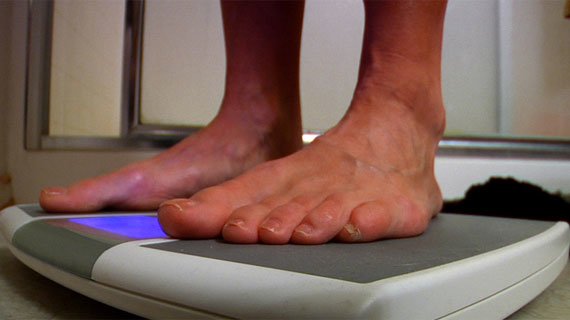
Some men can lose up to 5 pounds per week, says Juge, if they follow the diet strictly. He recommends striving for a weekly 2-3 pound loss for more lasting effects. "That way it's not such a drastic change and you'll be less likely to put all the weight back on when the diet's done," he adds. Weigh yourself naked just once per week, at the same time, preferably on the same scale. That way it'll be as accurate as possible.

If you haven't lost any weight after the first week, it may be time to troubleshoot. In addition to following an exercise program, Juge's first line of defense is upping your cardio. Instead of one cardio session per day, he recommends doing 45 minutes of cardio in the morning, on an empty stomach. Then add a second 30-minute session in the late afternoon or evening.

If that doesn't stimulate weight loss, Juge's second line of defense is to cut carbs slightly. On lower days, drop to 60-80 grams a day rather than 100. Eat this low-carb diet for two days, then insert one higher-carb day (150 grams).

Think of your nutritional plan as the anchor to stabilize all of your other efforts. Eating right will help you shed fat, increase your energy and definitely look the way you want to. Follow this get-lean plan faithfully, and you'll be showing off your new, leaner body in less than a month.


3 Favorite Diet Foods

Here are Juge's picks for the top three foods to turn to when you're trying to shed fat.

Egg Whites - "There's no fat or cholesterol and they're pure protein. They're very easy to prepare -- they take just a couple of minutes to make."

Oatmeal - It's low in sugar, high in fiber and provides sustained energy. Choose the old-fashioned variety if you have a few minutes to spare, and the one-minute oats if you're in a rush. In a pinch, you can even rip open a packet of instant oatmeal (plain flavor only) -- just add hot water and stir.

Green Veggies - They're healthy and deliver many benefits, like fiber for improved digestion. They contain many valuable vitamins, phytochemicals and antioxidants for better health. Plus, they're bulky and fill you up for just a few grams of carbs per cup of veggies. (Quick tip: To quickly steam veggies, put an inch or two of water in a bowl, add veggies, cover bowl and microwave for 2-3 minutes.)

Maintain Your Gains

Your 28 days are up -- you look great and want to keep it that way. Juge has an easy plan to maintain your body, yet enjoy greater flexibility with your diet. Number one, he says, is to eat a good, clean breakfast. If you're at home, it's much easier to do - just scramble a few egg whites and have a whole-grain item (whole-wheat bread or a bagel, for instance) and/or some fruit. Eat dinner at home, again a healthy clean meal consisting of a lean protein source, green vegetable and whole grains. Then, bring a protein shake or bar with you to work for a midday meal. "You've now got three clean meals taken care of," says Juge. So if you're eating at a restaurant at lunch and you want to have something different, you can have it. Just keep the rest of your meals pretty strict, without added sugars and fats.

Source: www.muscleandfitness.com

8 Most Extreme Weight Loss Methods

Getting Urine Injections


Just when you thought there were no more diets to try, here comes one of the strangest. The regimen involves a daily injection of urine. Sheryl Paloni lost 43 pounds and more than 30 inches in 5 months. That's when she heard about a very unorthodox weight loss program. The urine comes from pregnant women. Sheryl injected herself with it daily.

One weight loss counselor who offers the program said it's not the urine, but the hormone in it that takes off the pounds. “It's human chorionic gonadotropin,” said Iris McCarthy of Success Weight Loss Systems. She said hCG tricks your brain into thinking your body is pregnant. McCarthy said science has shown her hCG helps the body metabolize faster. “This will help you have patience to learn how to change your ways and change your relationship with food,” said McCarthy. (Link | Via)

Having Sex up to 7 times a Day


The world's heaviest living woman is burning 500 calories by having sex with her ex-husband.

Pauline Potter, 47, became the Guinness World Record holder for heaviest woman last year when she weighed in at 700 pounds, but she's managed to lose nearly 100 pounds in the last year by rekindling her romance with her ex-husband Alex. Married for three years, they split in 2008 but reunited when he heard about her Guinness title. It didn't take long for them to land in bed together - repeatedly.

Potter describes how her reignited sex life with ex-husband Alex has helped her lose 98 pounds. “I can't move much in bed, but I burn 500 calories a session –- it's great exercise just jiggling around," Potter told "Closer." Potter, who had been consuming 10,000 calories a day, hopes to reach her goal weight of 532 pounds with the help of Alex. The two have sex up to seven times each day. Alex, who weighs just 140 pounds, does most of the work in the bedroom.

Instaling a Nasogastric Dripping Tube


It's truly disturbing when doctors come up with seemingly fad diets that could prove dangerous, but that appears to be happening all the time and most of them are also pretty successful. The latest to join the trend is an American doctor who is providing a drastic and quick weight-loss method, the K-E Diet. It involves putting food into your body through the nose, using a dripping tube.

The K-E diet stands for Ketogenic Enteral Nutrition diet and is the work of Dr. Oliver di Pietro, from Florida. He promises to help anyone shed 20 lbs. in as little as 10 days. As part of the diet, dieters have to get a small nasogastric tube inserted into their nose going all the way to the stomach, through which a liquid solution drips constantly. The solution supposedly contains a mix of protein, fat and water and makes up 800 calories. A few hours of this and a process called ketosis is said to be triggered, which burns body fat due to the lack of carbohydrates. The fat is burned but the muscle and water in the body remain untouched. Dieters who want to achieve the best results aren't supposed to eat anything for a period of 10 days and also have to carry around the bag of nutritious fluid everywhere they go.

With Paintball Shots


Forget fad diets and gastric bands, the latest innovation in the war on obesity is fat busting paintball sessions. A UK paintball company has announced what is believed to be the world's first ever paintball fitness classes. During the sessions, people wanting to get fit will be invited to dodge paintballs while running an assault course, while the paintball centre's staff attempts to shoot them.

Organisers UK Paintball is targeting obese people with the sessions, which they believe will massively help with weight loss. The sessions will run as part of a ten week course, costing £199 per person, and it's believed that each participant can expect to burn between 800-1000 calories a time. Three or four shooters will be employed during the sessions to ensure that safe areas are kept to a minimum and that participants have to continue to run throughout.

Objects such as oil drums, felled trees, tyre walls and makeshift huts will all be removed to offer as little protection as possible to participants – encouraging them to keep moving and stay clear of the marksmen.


Having an Imaginary Gastric Band


A gastric band (the LAP-Band) is a restrictive band placed around the patient's stomach that gives the sensation of a full stomach after eating smaller portions of food, thus letting the patient eat less and lose weight without going hungry. But fitting the band requires surgery, with potential side effects – so here's a novel idea; making obese patients believe that they have an "imaginary" gastric band through hypnosis!

A therapist convinced Marion Corns, 35, she had had surgery to fit the band by talking her through the procedure while in a trance. Hospital smells were even pumped into the room to boost the effect. Housewife Marion, who has slimmed from 15st 6lb to 11st 7lb, said: “Bizarrely I can even ‘remember' being wheeled into theatre, the clink of the surgeon's knife and smell of the anaesthetic.”

She spent £780 on five sessions with a therapist at the Elite Clinic in Marbella after her weight ballooned despite trying numerous diet aids. Afterwards Marion felt her stomach had tightened and she was full up on just a small portion of food.

Now she is losing 3lbs a week and her dress size has plummeted from size 22 to 14 in four months.


With a Painful Tongue Patch


If you've tried all the diets under the sun and still can't lose weight, cosmetic surgeon Nikolas Chugay has got your back. Actually, make that your tongue. There is a new medical procedure that will help you lose weight by making it painful to eat.

The medical procedure involves stitching a small piece of polyethylene mesh onto a patient's tongue, making it painful to ingest solid foods and forcing a low-calorie, liquid diet. "The patch is a pattern interrupt," said Dr. Nikolas Chugay, the California-based plastic surgeon who developed the concept. "It is uncomfortable to eat solid foods, so people will all of a sudden remember, I am only to eat liquids."

Over 60 people have opted for the surgery, resulting in an average weight loss of 20 pounds (over the one-month period the postage-stamp-sized piece of fabric stays stitched on). "These are people who have been through every conceivable diet; they've tried everything and for some reason they just cannot stop eating," he said …


Using a Bite Counter Gadget


Mindless snacking is a problem for many weight watchers who might find they have polished off a box of chocolates while they are distracted by the TV. Now scientists have developed a device they say will help people pay more attention to what they consume by monitoring how many mouthfuls they eat. The Bite Counter is worn like a watch and tracks a pattern of wrist-roll motion to identify when the wearer has taken a bite of food. It was developed by researchers at Clemson University in South Carolina, who described it as a pedometer for eating.


Spending a Week at 8,700 feet Altitude


Psst – wanna lose weight while eating all you want and doing no exercise? No, it's not a spammy Internet ad – it's real science! All you have to do is live a while at high altitude.

Overweight, sedentary people who spent a week at an elevation of 8,700 feet lost weight while eating as much as they wanted and doing no exercise. A month after they came back down, they had kept two-thirds of those pounds off.

The scientists ferried 20 overweight, middle-aged men by train and cable car to a research station perched 1,000 feet below the peak of Germany's highest mountain, Zugspitze. During the week-long stay, the men could eat and drink as much as they liked and were forbidden from any exercise other than leisurely strolls. The team measured the men's weight, metabolic rate, levels of hunger and satiety hormones before, during, and after their mountain retreat After a week up high, the subjects lost an average of 3 pounds. A month later, they were still 2 pounds lighter. The scientists' data showed this was likely because they ate about 730 calories less at high altitudes than they did at normal elevations. They may have felt less hungry, in part, because levels of leptin, the satiety hormone, surged during the stay, while grehlin, the hunger hormone, remained unchanged. Their metabolic rate also spiked, meaning they burned more calories than they usually did. A high-altitude weight loss strategy could be viable, though studies have shown peoples' appetites bounce back after about six months at high elevation, Leissner said. “If you could do intermittent periods for one week, then go down, and then go back up, this might actually be helpful.”

Source: oddee.com

Fat Burning Drinks: 3 Simple Drinks That Increase Your Metablolism

Meet your weight loss goals by maximizing your daily calorie burn. These three fat burning drinks will burn extra calories and shed a few pounds for free by boosting your metabolism. Here’s what to drink and why.

Whether you are trying to shed unwanted pounds or keep your already fit body, you need to burn as many calories as possible. While metabolism boosters are only one part of a complete weight loss strategy, they are an easy way to lose a few pounds for “free.”
3 Easy Drinks That Increase Your Metabolism


You can’t make any real weight loss progress without also cutting calories and getting regular exercise. But by being smart about what you eat and drink, you can increase the rate at which you burn body fat.
Here are three simple drink choices and a few weight loss tips that will help you out.

How To Boost Metabolism

Metabolism is the rate at which your body burns calories. Much of this process is dependent on factors outside your control, such as your gender (men tend to have higher metabolisms than women), your age (after age 40, your metabolism decreases about 5% each decade), and your current ratio of body muscle to fat (muscle burns more calories than fat, even when you are at rest).

Luckily, there are some things that you can control. The very best way to boost your metabolism is exercise. Fat burning aerobic exercise burns calories immediately and provides an increase in metabolism for a few hours. Muscle building exercises burn fewer calories during your workout, but they help increase your overall metabolism so that you burn more calories overall, even while your body is at rest.

Making smart choices about what you eat (like fat burning foods) can also help boost your metabolism. Let’s take a look at some smart drink choices that you can make that will help increase your metabolism and enhance your fat burning workouts.
Boost Your Metabolism By Drinking Ice Water


Stay Hydrated: Drink Lots of Water
You’ve heard lots about the health benefits of drinking water. Well, here is another reason to refill your water glass. Whether your body is turning food into fuel or working away at your fat reserves, it needs water to efficiently burn calories. If you are not fully hydrated, your metabolism will slow down and you won’t be burning calories as efficiently as you can. Need some proof? University of Utah researchers found that adults who drink 8 or more glasses of water each day burned significantly more calories than those who drank 4 or less.

How much water should you drink? The study considered a glass of water to be 8 ounces — that’ only two thirds the size of a can of soda. So drink up and give your metabolism a little boost. If that’s still too much, recent studies have found that you can get your 8 glasses of water a day in other ways too: all beverages count (but see our tip below about avoiding liquid calories), and so do fresh fruits, vegetables, and other fluid-rich foods.

Feel Better About Your Coffee Addiction — But Drink it Black

Do you need your morning coffee to get the day started right? Do like the energy boost and increased concentration that it can give you? Well, here’s another reason to stick with your daily coffee routine: coffee will boost your metabolism. A study published in the Journal of Physiology and Behavior looked at people who drank caffeinated and decaffeinated coffee. Guess what? The caffeinated coffee drinkers had a 16% increase in metabolism over the decaffeinated group! And another study found that a person drinking 2 cups of coffee burned 50 calories during the next few hours.

But, of course, there is a catch. You need to drink it black. Adding sugar, cream, or other flavorings will add calories and zap the fat burning foods benefit. And you go crazy with a fancy Starbucks or Dunkin’ Donuts concoction, you’ll definitely do more harm than good.

Try Some Green Tea — You’ll Lose Weight and Boost Your Health!

Green Tea Boost Your Metabolism and Burns Fat


Fat Burning Foods Tip: Green tea contains powerful antioxidants that increase your metabolism and cause your body to burn more fat.

You’ve probably heard that green tea contains antioxidants that can help fight disease and help keep you healthy. But here’s another reason to drink it:

Green tea can help you lose weight! You won’t get skinny on green tea alone. But studies have shown that green tea boosts your metabolism so you’ll burn more calories. How many more? Enough to lose about one pound per month.

That doesn’t sound like too much spread out over a year, but it adds up to 12 pounds! When combined with diet and exercise, green tea will give your weight loss plan a good boost.

Related Weight Loss Tip #1: Drink It Cold

Some nutritionists have suggested that you can burn a few extra calories by drinking your beverages cold. The Weight Management Center at the University of Pittsburgh Medical Center suggests that your body likely works a little harder to raise the temperature of cold drinks to your 98.6 degree core body temperature. And in the process, you may burn a few extra calories.

Be sure to drink your green tea hot to get the maximum benefit. But feel free to load everything else with ice. And yes, as the ice cubes melt (and you drink them), they count towards your eight glasses of water!
drink it cold

Related Weight Loss Tip #2: Avoid Costly Liquid Calories

When you are making choices about what you drink, do it wisely. Many drinks are sweetened with sugar, high fructose corn syrup, or fruit juices. These are empty calories that don’t fill you up and don’t provide any nutritional value. Stick with the basics like water, coffee and tea, and avoid calories in your drinks. Save your calories for meals and snacks that fill you up, curb your appetite, and fuel your body in a healthy way.

Will You Meet Your Weight Loss Goals With Fat Burning Foods?

You should note that you won’t meet your weight loss goals with fat burning foods alone. On their own, they don’t burn enough calories, so they should be only one part of your weight loss or weight maintenance program. But by altering your habits, you can get some easy calorie burning for free. The slight increases in metabolism won’t get you instant weight loss success, but it certainly adds up. Over the course of a year, it may add up to 5 or even 10 pounds worth of calories. That’s either 5 extra pounds of calories you can eat while still maintaining your current weight, or 5 extra pounds you’ll lose. And who wouldn’t want to lose 5 pounds without really trying?

Source: www.healthfitnessexperts.com

Implement these 9 fat burning tips that use exercise and diet and watch the body fat melt like the butter you're no longer using

The human body is a remarkably adaptable machine. Even if years and years of neglect have allowed pound after pound of fat to fill out your frame, you can rid yourself of that lard at a much faster rate than you brought it on board. In that sense, time is your side!
Take these 9 easy-to-implement tips to heart, and progress will come in a hurry:

1.Stay off the scale

That you can gain muscle and lose fat is one of the reasons I stress to people not to follow the scale. Body composition and how you look in the mirror matters more than what the scale says.
You could train hard and eat right and build five pounds of muscle and lose five pounds of fat, and what will the scale say? That you still weigh the same.
Frustrating, right, even though you've made good progress. Use the scale as a guide, but how you look in the mirror, how you feel, and how your clothes fit are much better indicators of your progress.


2.Reduce your calories gradually

If you're looking to lose fat, don't make huge calorie cuts. This will kick your body into starvation mode, reducing your metabolism and making it more difficult to burn off the fat.
To prevent this metabolic slowdown and allow your body to burn fat at an optimal rate, make smaller calorie reductions every week or two.

3.Vary your caloric intake

This is another way to outsmart your body and continue to lose body fat without lowering your metabolism.
By varying your caloric intake every few days instead of eating the exact same amount of calories every day, keep the starvation mechanism in check and continue to burn fat.
Says Jim Stoppani, Ph.D:
"Although in today's society food tends to be accessible and abundant, our bodies are designed to store as much energy as possible to prepare for times of scarcity. One way the body does this is by adjusting its metabolic rate based on calorie intake.
If you stick with the same calories every single day while dieting, your body will adjust by lowering metabolic rate to prevent you from burning off too much body fat. It's all about hormones.
When leptin levels are high, your metabolic rate stays high; when leptin levels drop, so does your metabolic rate.
When calories are low and steady, leptin levels fall and so does metabolic rate. Eating higher calories on some days and lower calories on others helps to keep leptin levels up."

4.Train with weights


Resistance training helps with fat loss in a number of ways. Weight training itself burns calories. Studies also show that, unlike aerobic exercise, weight training increases the calories you burn at rest for up to 39 hours after your workout.
Plus, the more muscle your body has, the more calories you burn each day.
Even if your goal is solely to lose body fat, you need to train with weights. This will help prevent any of the weight you lose from being muscle.
Were that to happen, your metabolism would slow, stalling your fat loss efforts and turning you into a skinny fat person.
Yes, even someone with anorexia can have a high body fat percentage.

5.Do high-intensity intervals (HIIT) 

This means alternating a brief period of high-intensity exercise with brief rest periods.
The result: better results in less time.
One of my favorite interval methods is jumping rope. You may need to practice a bit on this one. After a brief warm up, I'll jump rope as fast as I can for 10 to 20 seconds, followed by a half a minute at a slower cadence.
Always warm up before intervals, by the way. If you're not in the best of shape, start with cardio of low or moderate intensity. You might also want to check with your doctor.


6.Eat More Fat

Consuming enough of the good fats will help you lose fat, build muscle, and recover faster from your workouts. Healthy fats also have myriad health benefits, including being good for your heart.
So which fats are "good?" The polyunsaturated ones (especially omega-3s), such as those from fish and nuts; and the monounsaturated kind, such as those from peanut butter, olive oil, egg yolks, and fish oil.

7. Cut carbs

The attention focused on low-carb diets has divided many people into "pro" and "anti" low-carb camps. Whichever side you're on, the bottom line is that reducing your carb intake-especially sugar and starches-when trying to lose fat will help.
Those carbs you do consume should come from sources such as oatmeal and vegetables.
The timing of your carb intake also affects fat burning. "I recommend tapering down carbohydrates by 3 p.m.," says Team Bodybuilding.com member Ashley Johns, also known by the BodySpace handle Hottie-I-Am. "Consume most of your carbs in the morning and around your workouts."

8. Increase your protein

Increasing protein intake will increase your metabolism and help to maintain your muscle mass, all of which helps with fat burning. In fact, your body burns more calories when you eat protein than when you digest either fats or carbs.
This may explain why the fat-burning effects of eating more protein were confirmed in a study published in American Journal of Physiology. One group was fed a high-protein diet (just over 1 gram per pound of bodyweight per day) while the second group consumed an amount closer to the lower recommendation of the RDA (recommended dietary allowance). The group eating the higher-protein diet burned the most fat.


"Numerous current studies show that dieters who follow high-protein/low-carb strategies-even plans with higher fat intake-lose more fat and maintain or gain more muscle mass than dieters who rely on higher-carb diets." Jim Stoppani
Yes, you read that right, Grasshopper: Many dieters actually gained muscle mass without working out, simply by eating a high-protein diet.

9.Eat 6 smaller meals per day, not 2-3 feasts

This will ensure that you supply your body with the nutrients necessary to build muscle and burn fat.
Bonus: Your resting metabolic rate increases. It will also prevent your body from kicking into "starvation" mode, which can happen when too much time elapses between meals.
If this happens, your body will start burning muscle for energy and increasing your body fat stores, as well as slowing down your metabolism. This is the exact opposite of what you want to happen.
Don't be one of those people that complain about their situation but never does anything to improve it. Don't become "happy" with the status quo of being miserable. Now take action on your knowledge!

Source: www.bodybuilding.com

Lose Weight Fast: How to Do It Safely

Sick of crash diets and fad diets? Follow these healthy tips.

Working on weight loss? Then you probably want results -- fast.
Let me save you some time: skip the fad diets. Their results don't last. And you have healthier options you can start on -- today!
You can safely lose 3 or more pounds a week at home with a healthy diet and lots of exercise, says weight loss counselor Katherine Tallmadge, RD.

How to Lose Weight Fast

If you burn 500 more calories than you eat every day for a week, you should lose about 1-2 pounds.
If you want to lose weight faster, you'll need to eat less and exercise more.
For instance, if you take in 1,050 to 1,200 calories a day, and exercise for one hour per day, you could lose 3-5 pounds in the first week, or more if you weigh more than 250 pounds. It's very important not to cut calories any further -- that's dangerous.
Limiting salt and starches may also mean losing more weight at first -- but that's mostly fluids, not fat.
"When you reduce sodium and cut starches, you reduce fluids and fluid retention, which can result in up to 5 pounds of fluid loss when you get started," says Michael Dansinger, MD, of NBC's The Biggest Loser show.

Diets for Fast Weight Loss

Dansinger recommends eating a diet that minimizes starches, added sugars, and animal fat from meat and dairy foods. For rapid weight loss, he recommends focusing  on fruits, veggies, egg whites, soy products, skinless poultry breasts, fish, shellfish, nonfat dairy foods, and 95% lean meat.
Here are more tips from Dawn Jackson Blatner, RD, author of The Flexitarian Diet :
  • Eat vegetables to help you feel full.
  • Drink plenty of water.
  • Get tempting foods out of your home.
  • Stay busy -- you don't want to eat just because you're bored.
  • Eat only from a plate, while seated at a table. No grazing in front of the 'fridge.
  • Don't skip meals.
Keeping a food journal -- writing down everything you eat -- can also help you stay on track.
"Even if you write it down on a napkin and end up throwing it away, the act of writing it down is about being accountable to yourself and is a very effective tool for weight loss," says Bonnie Taub Dix, MA, RD, author of Read It Before You Eat It .
Besides jotting down what you ate, and when, you might also want to note how you were feeling right before you ate it. Were you angry, sad, or bored? We often focus so much on foods and calories, but our emotions are a huge part of our eating habits.
If you see a persistent pattern in your emotional eating, please consider talking to a counselor about it. They can be a big help in finding other ways to handle your feelings.

Exercising for Fast Weight Loss

It's time to move more! Losing weight requires close to an hour a day of moderate exercise, one study shows.
Plan to do cardio and strength training.
"Cardio burns the most calories, so it is ideal for fast weight loss, but afterward you need to include a few hours a week of strength training," Dansinger says. To burn the most fat, try to break a sweat after your warm-up and keep sweating for the entire hour, Dansinger says.
If you're not exercising now, and you have a chronic condition or a lot of weight to lose, it's wise to check in with your health care provider first. They'll be rooting for you! And they'll make sure that you're ready to work out.
Pace yourself. Don't do too much, too soon -- work your way up to help prevent injury.  
One way to step up the intensity is to do interval training -- brief bursts of high-intensity, followed by a more mellow pace, and repeating that pattern throughout your workout.
"Interval training allows people to work harder without having to spend the entire time at the higher level, and over time, the more you do it, the easier it becomes to burn more calories," Blatner says.

Fad Diets and Crash Diets

I know how tempting diet crazes can sound, especially if you have a lot of weight to lose. You hear about stars who did it and look incredible.
But remember,  if a diet plan sounds too good to be true, it probably is.
Also, please skip any programs that promote detoxification pills, laxatives, fasting, or potions, and any that promise weight loss faster than 2-3 pounds per week.
The truth is that cutting calories below 1,050-1,200 per day is counterproductive, because you need strong muscles to be able to exercise effectively.
"When you eat too few calories, you lose fat but also precious muscle, which is the worst thing you could do because it slows your metabolism and makes it more difficult to increase exercise intensity or duration," Dansinger says.
Fad diets also set you up for failure by depriving you of what you want. You can't eat like that for long, and it's too likely that you'll rebel and end up back where you started. You deserve better than that!
So by all means, attack your weight loss goal. Put it on the fast track. But please, do it right so you set yourself up for lasting success.


Source: www.webmd.com