Believe in Yourself. You Can Do It !

It takes 4 weeks to see your body changing.

Try this delicious weight loss drink

Visit our weight loss pins on Pinterest by clicking on the tab above and learn how to make it at home.

Eliminate your body fat

Reduce foods high in sugar to flush the fat right off.

Keep the calories down at Starbucks

Get your buzz without the high sugar.

Frozen Greek Yogurt With Fruit

The protein in Greek Yogurt helps reduce your hunger cravings.

Return to La Pappa Organics Main Website

Return to La Pappa Organics Main Website
Click image to return to La Pappa Organics

10 Anti-Aging Vitamins + How To Include Them In Your Diet (Infographic)

While you can certainly slather on as many creams, serums, and tonics as you want that promise anti-aging benefits, when it comes down to it, nothing is going to keep you looking young and fresh like what you're putting in your body.
That's right: It's totally possible to erase years from your face — and keep them off — simply by changing your diet. It doesn't have to be a major change; just adding a few new ingredients into your everyday meals can work wonders. The minerals, vitamins, enzymes, antioxidants, and phytonutrients that will keep you looking (and feeling) young can all be found in food.
Luckily,  Thank Your Skin put together this handy chart of 10 powerful vitamins that can fight aging skin and the foods you should be eating to get each and every one of them into your system. Bookmark it, print it out, carry it with you while you grocery shop ... just make sure you're eating all of these delicious, nutritious, skin-friendly foods!
Photo Credit: Stocksy

“The Clean Eating Dinner Cookbook & Diet Plan: 14 Simple Eating Clean Dinners for Weight Loss & a Healthy Lifestyle” by Kent Burden


Because we live in a world where everything happens very fast and we are busy all the time, dinner has become the most important and consistent meal of the day. History shows things haven’t always been this way. In the Introduction of his newest Clean Eating book, bestselling author and wellness expert Kent Burden explains how in the past people had dinner in the middle of the day, and only a light supper in the evening. Of course, with our current schedules it is impossible to go back to those ideal habits, so what he does is show us how we can improve our diets by choosing to eat only healthy, fresh, natural food that is grown as organically as possible.

“The Clean Eating Dinner Cookbook & Diet Plan” is the most thorough and complete Clean Eating guide on the market. It is packed with information you will not find anywhere else, and it offers over 50 simple recipes for delicious and nutritious dinners. The food pictures are absolutely amazing, and they help readers decide exactly what recipe they want to try in the evening, after a busy day, when all they wish is to cook something that doesn’t take much effort. Forget about frozen meals and highly processed foods. Kent Burden will show you exactly how to stock your pantry so you’d always have the basic ingredients for your Clean Eating dinners.

First of all, readers need to understand that Clean Eating is not a diet plan. It is a lifestyle. It has nothing in common with those restrictive diets that cut out your favorite food from your plate. On the contrary: once you adopt this lifestyle, you are allowed to eat anything you want, as long as you pay attention to the products you use. The author teaches his readers how to read and understand food labels, so that they’ll finally be able to make well-informed choices. Removing refined sugar, GMOs, chemicals, pesticides, hormones, and overly-processed foods is crucial, because these are the things that affect our health and lead to complicated diseases such as type 2 diabetes, heart disease, obesity, and various forms of cancer.

Combine Clean Eating with daily exercise, and you’ve found the key to success. Kent Burden helps his readers achieve the body they want, improve their health, energy, and self-confidence. Because dinner is the most important meal of the day for us, he teaches us how to cook it fast and easy without spending too much time in the kitchen. “The Clean Eating Dinner Cookbook & Diet Plan” is the book you need if you truly want to change something and become the best that you can be.

Find it on Amazon.


Dinner 2
Spinach, Apple & Feta Salad with Rosemary Baked Chicken and Potatoes

If you don’t do a lot of cooking from scratch but want to start, baking chicken is a good place to get your feet wet. The baking process itself is pretty simple. Add the chicken to a hot dry oven and wait for the internal temperature of the chicken to reach 165 degrees and violá, you have baked chicken. Chickens' mild flavor tends to lend itself to a variety of marinades, glazes and spices and by simply experimenting you can find the one you and your family like best. This meal is simply delightful and incredibly healthy. It is packed with Vitamin A, K and folate as well as lean protein, omega 3 fatty acids, potassium, copper, iron and fiber. You can bring gourmet flair to your dinner by replacing the red potatoes with fingerling potatoes or a combination of Yukon gold, red and purple potatoes (often packaged as red white and blue potato combo). The spinach apple & feta salad is a great healthy starter that combines sweet apples with creamy feta (goat cheese works well too) and gives the whole family the fruits and veggies they need to stay healthy.
Spinach, Apple & Feta Salad
Dressing Ingredients:
•    1/2 cup balsamic vinegar
•    3/4 cup olive oil
•    1/4 tablespoon wild honey
•    1/2 teaspoon kosher salt
•    1/8 teaspoon fresh ground pepper
Salad Ingredients:
•    6 cups fresh baby spinach
•    1/2 cup chopped walnuts
•    1/4 cup crumbled feta
•    1/4 cup sliced apples
Directions:
Put vinegar, olive oil, honey, salt and pepper in a bottle and shake well to combine. Toss spinach with nuts, feta and fruit. Give dressing another shake and drizzle over individual servings right before you serve dinner.
Rosemary Baked Chicken and Potatoes
Ingredients:
•    2 tablespoons olive oil
•    1 tablespoon paprika
•    1 1/2 teaspoons fresh rosemary, finely chopped
•    1 teaspoon sea salt
•    1/2 teaspoon coarsely ground pepper
•    2 cloves garlic finely chopped
•    6 bone-in organic free range chicken thighs and legs (about 2 pounds)
•    1 1/2 pounds small red potatoes, halved
Directions:
Preheat oven to 425°F. Mix oil, paprika, rosemary, sea salt, pepper and garlic in large bowl. Add chicken and potatoes; toss to coat well. Arrange potatoes in single layer on foil-lined 15x10x1-inch baking pan that has been buttered.  Bake 15 minutes. Push potatoes to one side of pan. Place chicken on pan.  Bake 30 to 35 minutes longer or until chicken is cooked through and potatoes are tender, turning potatoes occasionally. Serves 4.

“How to Stay Young and Fit No Matter How Old You Get: Anti-Aging Secrets” by Sharon J. Scott


The fact that everyone is afraid of aging comes as no surprise. But, sometimes, aging has nothing to do with feeling old and acting as if you were old. Life and different troubles or dissatisfactions can make someone feel old when, in fact, physically and mentally they are perfectly young. They may have all the reasons to enjoy life, but, somehow, they don’t see this. Sharon J. Scott’s guide, “How to Stay Young and Fit No Matter How Old You Get: Anti-Aging Secrets”, is the perfect read for anyone who feels tired and unhappy because they believe they are too old to feel otherwise. Even though this book is aimed at readers over 40, it can be useful to anyone, regardless of age.

In writing this book, the author adopted a unique perspective on things: the truth is that all people are young, they just need to be reminded of it. So, Sharon J. Scott’s guide isn’t trying to teach readers what they need to do in order to start feeling young again, but it’s actually trying to show them that they have always been young, and most of the aging process is something that is only happening because they allow it to happen. The book isn’t trying to fix the problem of growing old, because that would mean the readers need to accept this as a fact and then try to deal with it. Rather, what it is trying to do is convince people that age isn’t a problem, and all they need to do is improve their lifestyle, eating habits, and way of thinking in order to see that.

“How to Stay Young and Fit No Matter How Old You Get: Anti-Aging Secrets” discusses all the aspects people should be aware of when it comes to the aging process and what they can do to slow it down. Actually, the first thing the author does is to dedicate an entire chapter to explaining what the aging process truly is and how it should be understood. Then, the next chapters deal with wellness, attitude, emotional health, how to stay spiritually young, and also discuss the problems of stress, nutrition and physical exercise.

One of the best things about this book is that it teaches readers they should never look for easy methods that promise youth, beauty, and energy. They need to understand that pills and expensive cosmetic treatments are not the solution. It all comes from within. It’s all about how you choose to think and feel, and these two can be educated through the tips and techniques Sharon J. Scott offers in this amazing guide.


Chocolate could prevent obesity and diabetes, study suggests


More than a third of US adults are obese and are, therefore, at higher risk of type 2 diabetes. But new research suggests a surprising prevention strategy for both conditions - eating chocolate.

In a mouse study, led by Andrew P. Neilson of the Department of Food Science and Technology at Virginia Polytechnic Institute and State University, researchers discovered that a certain antioxidant in cocoa - the main ingredient in chocolate - prevented mice from gaining weight and lowered their blood sugar levels.

This is not the only study to suggest that consuming chocolate can prevent such health conditions.

Earlier this year, Medical News Today reported on a study claiming that chocolate, as well as wine and berries, protects against type 2 diabetes, while other research found that teens who eat lots of chocolate tend to be slimmer.

Such studies claim that the reason chocolate may have these health benefits is because of the flavanols it contains. These are types of antioxidants.

But the researchers of this most recent study say that not all flavanols are the same. In fact, cocoa has several different types.
Dark chocolate
Good news for chocolate lovers: a certain flavanol in cocoa may help prevent obesity and type 2 diabetes.

In their study, published in the Journal of Agricultural Food and Chemistry, the investigators set out to determine exactly which flavanol may be responsible for preventing weight gain and lowering blood glucose levels.

For the research, the investigators assigned mice to one of six different diets for 12 weeks.

These consisted of high- and low-fat diets, and high-fat diets supplemented with either monomeric, oligomeric or polymeric procyandins (PCs) - types of flavanols. Mice were given 25 milligrams of these flavanols each day for every kilogram of their body weight (25 mg/kg).
Oligomeric procyandins most effective

The research team found that a high-fat diet supplemented with oligomeric PCs was the most effective for maintaining weight of the mice and improving glucose tolerance - a factor that could help prevent type 2 diabetes.

Commenting on the findings, the researchers say:

    "Oligomeric PCs appear to possess the greatest antiobesity and antidiabetic bioactivities of the flavanols in cocoa, particularly at the low doses employed for the present study.

    Additional studies of prolonged feeding of flavanol fractions in vivo are needed to further identify the fractions with the highest bioactivities and, therefore, the greatest potential for translation to human clinical applications at reasonable doses."

The investigators point out that the doses of flavanols used in this study are significantly lower than doses used in past research and are more feasible when translated into flavanol levels for human consumption.

"Therefore, our data suggest that moderate doses of cocoa flavanols or cocoa powder have the potential to be more effective in human clinical trials than previously thought," they add.

According to previous research, the health benefits of chocolate may reach further than decreasing the likelihood of obesity and type 2 diabetes. Medical News Today recently reported on a study claiming that eating 70 g of dark chocolate every day could reduce the risk of atherosclerosis - the thickening and hardening of the arteries.

But interestingly, this study did not attribute this benefit to the flavanols that chocolate contains. Study participants ate either regular dark chocolate or chocolate with added flavanols. Both types of chocolate had the same effect.

"We provide a more complete picture of the impact of chocolate consumption in vascular health and show that increasing flavanol content has no added beneficial effect on vascular health," says study researcher Prof. Diederik Esser, of the Top Institute Food and Nutrition and the Division of Human Nutrition at Wageningen University, both in the Netherlands.

Other research claims that hot chocolate could help prevent memory decline. Again, the researchers say this finding was not down to flavanols.

Morning rays keep off pounds


A surprising new strategy for managing your weight? Bright morning light.

A new Northwestern Medicine® study reports the timing, intensity and duration of your light exposure during the day is linked to your weight -- the first time this has been shown.

People who had most of their daily exposure to even moderately bright light in the morning had a significantly lower body mass index (BMI) than those who had most of their light exposure later in the day, the study found. (BMI is a ratio calculated from a person's weight and height.)

"The earlier this light exposure occurred during the day, the lower individuals' body mass index," said co-lead author Kathryn Reid, research associate professor of neurology at Northwestern University Feinberg School of Medicine. "The later the hour of moderately bright light exposure, the higher a person's BMI."

The influence of morning light exposure on body weight was independent of an individual's physical activity level, caloric intake, sleep timing, age or season. It accounted for about 20 percent of a person's BMI.

"Light is the most potent agent to synchronize your internal body clock that regulates circadian rhythms, which in turn also regulate energy balance," said study senior author Phyllis C. Zee, M.D. "The message is that you should get more bright light between 8 a.m. and noon." About 20 to 30 minutes of morning light is enough to affect BMI.

Zee is the Benjamin and Virginia T. Boshes Professor of Neurology and director of the Northwestern Medicine Sleep and Circadian Rhythms Research Program at Northwestern University Feinberg School of Medicine. She also is a neurologist at Northwestern Memorial Hospital.

"If a person doesn't get sufficient light at the appropriate time of day, it could de-synchronize your internal body clock, which is known to alter metabolism and can lead to weight gain," Zee said. The exact mechanism of how light affects body fat requires further research, she noted.

The study will be published April 2 in the journal PLOS ONE. Giovanni Santostasi, a research fellow in neurology at Feinberg, also is a co-lead author.

What's the Magic Number for Low BMI?

Many people do not get enough natural light in the morning, Zee said, because the American lifestyle is predominantly indoors. We also work in poorly lit environments, usually about 200 to 300 lux. In the study, 500 lux was "the magic number" or minimum threshold for having a lower BMI. Even on a cloudy day, outdoor light is more than 1,000 lux of brightness. It is difficult to achieve this light level with usual indoor lighting, the scientists noted.

Light May Be Next Frontier for Weight Loss

"Light is a modifiable factor with the potential to be used in weight management programs," Reid said. "Just like people are trying to get more sleep to help them lose weight, perhaps manipulating light is another way to lose weight."

Santostasi, a physicist by training, developed a new measure for the study that integrates the timing, duration and intensity of light exposure into a single number called mean light timing or MLiT.

He searched for a correlation between light exposure timing, duration or intensity in the study raw data, but none of those factors individually were associated with BMI. It was only when he began combining parameters, that he saw "the strong signal" when all three were examined together.

"I saw that what seemed to be most associated with body mass index was not just how much light you receive but when you get it and for how long," Santostasi said.

The study included 54 participants (26 males, 28 females), an average age of 30. They wore a wrist actigraphy monitor that measured their light exposure and sleep parameters for seven days in normal-living conditions. Their caloric intake was determined from seven days of food logs.

Befriend Your Body Clock -- Get Morning Light

The finding emphasizes the importance of "circadian health" in which exposure to light and dark is synchronized with your internal body clock. "We focus on how too much light at night is bad; it's also bad not to get enough light at the appropriate time during the day," Zee said.

As part of a healthy lifestyle, people should be encouraged to get more appropriate exposure to light. Workplaces and schools should have windows. Employees should be encouraged to go outside for lunch or breaks, and indoor lighting should be improved in the school and workplace "This is something we could institute early on in our schools to prevent obesity on a larger scale," Zee said.

While duration and timing of sleep was not linked to the results, "owl" chronotypes, who stay up later and sleep later, would be a population affected by later light exposure. But even "larks," those who wake early, would be affected by lack of early light if they stayed inside in the morning.

While the study wasn't designed to examine how light exposure affects body fat, previous research at Northwestern and elsewhere shows light plays a role in regulating metabolism, hunger and satiety.


Source: sciencedaily.com

5 Reasons Your Weight Is Stuck


Stuck in a weight-loss rut? Turns out you're not alone. Those last 5-10 pounds are often the hardest to lose. MyFitnessPal – the largest digital health company with more than 50 million users -- surveyed its users to find out what's keeping them from reaching their ultimate goal. Turns out there's five primary reasons those last few pounds seems to stick around longer than the ones before.

Elle Penner, MyFitnessPal's registered dietician, came up with tips to combat each and every one of those pitfalls that's keeping the number on your scale from going down. Click through the next few pages to find out how to get out of the rut and back to losing weight.

Strong sweet tooth

54 percent of MyFitnessPal users say dessert is a major obstacle to weight loss. Penner said it's important to keep a tally of miniature treats. 3-4 "snack-size" treats and a handful of M&Ms can quickly add up to the fat and calories of full-size desserts. "Even if you don't have time to track every morsel of food you eat throughout the day, a little snacking insight can go a long way in preventing sneaky weight gain."

People hate veggies.

Nearly 1 in 10 people said not eating vegetables is the culprit. Try to get your fruit and veggie servings in early in the day, said Penner. "The oh-so-popular green smoothie is the perfect way to get in a serving of veggies before you even get to the office. Try adding low-fat yogurt, milk or nut butter. It will up the protein and help keep you satisfied and focused throughout the morning."

Carbs are the devil.

47 percent say love for bread and pasta keeps them off-track So, Penner said, consider taking a temporary weight loss vacation. Put it on the back burner for a week or so, just aim not to gain any weight, and come back with a fresh mind to reset your habits, she said. "When life gets really busy or stressful, avoiding additional weight gain is an achievement in itself," she said. " Set yourself up for success and pick back up on your weight loss efforts when you have the time and energy to dedicate to doing it healthfully."

Emotional eating.

Turns out more than half of us blame binges on mood swings. Penner said getting new workout gear could help. It sounds superficial, but nice workout gear really can make you feel better during a workout, and be an incentive to get you moving. "Rather than rewarding yourself with an indulgent meal when you hit a new health goal," she said, "invest in your next one by adding a new item to your workout wardrobe."


No me time.

More than 20 percent of users report they don't have the time to cook or exercise. Penner said to stock the pantry. "When they're on sale, stock up on canned beans and tomatoes, herbs and spices, nuts and whole grains like quinoa, rolled oats and whole wheat pasta. Having a stash of healthy pantry staples will save time and money." Instead of buying packaged convenience foods, filling your pantry with these healthy staples will give you a solid foundation for preparing more nutritious meals at home.

Source:  abcnews.go.com

Average Obese Woman Gets 1 Hour of Exercise a Year

Obese men don't do much better, breaking a sweat only 3.6 hours annually, researchers say

A new study suggests that obese women get just one hour of vigorous exercise a year, while obese men don't do much better at fewer than four hours.

The findings startled the researchers, whose main focus was finding better ways to measure how much exercise people get.

"They're living their lives from one chair to another," said Edward Archer, a research fellow with the Nutrition Obesity Research Center at the University of Alabama at Birmingham. "We didn't realize we were that sedentary. There are some people who are vigorously active, but it's offset by the huge number of individuals who are inactive."

According to the U.S. Centers for Disease Control and Prevention, more than one in three people in the United States is obese, a step above being overweight. Obesity boosts the risk of cardiovascular problems such as heart disease and stroke, diabetes and some cancers.

One expert did note that the definition of vigorous exercise was very limited in the study, and the researchers themselves acknowledged that the device used to track physical activity did not measure swimming or biking very well.

In the new study, researchers examined the results of a 2005-2006 government survey of adults aged 20 to 74. Among other things, the survey tracked the weight, diet and sleep patterns of nearly 2,600 adults.

Accelerometer devices were used to track their movements, providing insight into how much they exercised.

The study defined "vigorous" exercise as activities that burn fat like jogging and jumping rope, but not sexual activity. According to Archer, who was at the University of South Carolina when the study was conducted, sex isn't as much of a fat-burning activity as certain other kinds of exercise so it doesn't qualify as vigorous.

The researchers found that the average obese woman gets the equivalent of about one hour of exercise a year. For men, it's 3.6 hours a year.

"The data was there, but no one looked at it and parsed it the way we did," Archer said. In the big picture, "there is a great deal of variability; some are moving probably a fair amount. But the vast majority [of people] are not moving at all."

What kind of lives are the most inactive people living? "I think they're living the typical life. They drive their children to school, they sit at a desk all day long, they may play some video games and they go to sleep," Archer said.

John Jakicic, chair of the department of health and physical activity at the University of Pittsburgh, praised the study but cautioned that its definition of "vigorous" is limited and not based on a person's fitness level. For some very obese people, for instance, just general walking could be considered vigorous, he explained.

What to do?

As little as 30 minutes of exercise five days a week can stop weight gain and improve health, study author Archer said. "People don't understand that [you] don't have to go to the gym and lift weights and run marathons to have dramatic impacts on your body. Standing rather than sitting, walking rather than taking your car, they have huge impacts on your health over time."

Jakicic agreed that little changes can have a big difference. "Traditional exercise approaches are not the way to try to get obese people active -- the barriers are just too great," he said. "However, we showed a number of years ago that encouraging multiple brief periods -- five to 10 minutes two to three times per day -- was an effective way to get individuals active initially. Once they started to become more active in this way, they started to add even more activity."

The study appeared recently in the Mayo Clinic Proceedings.

Source: webmd.com

Research shows fat mass in cells expands with disuse

Over 35 percent of American adults and 17 percent of American children are considered obese, according to the latest survey conducted by the Centers for Disease Control and Prevention. Associated with diabetes, heart disease, stroke, and even certain types of cancer, obesity places a major burden on the health care system and economy. It's usually treated through a combination of diet, nutrition, exercise, and other techniques.

To understand how obesity develops, Prof. Amit Gefen, Dr. Natan Shaked and Ms. Naama Shoham of Tel Aviv University's Department of Biomedical Engineering, together with Prof. Dafna Benayahu of TAU's Department of Cell and Developmental Biology, used state-of-the-art technology to analyze the accumulation of fat in the body at the cellular level. According to their findings, nutrition is not the only factor driving obesity. The mechanics of "cellular expansion" plays a primary role in fat production, they discovered.

By exposing the mechanics of fat production at a cellular level, the researchers offer insight into the development of obesity. And with a better understanding of the process, the team is now creating a platform to develop new therapies and technologies to prevent or even reverse fat gain. The research was published in the Biophysical Journal.

Getting to the bottom of obesity

"Two years ago, Dafna and I were awarded a grant from the Israel Science Foundation to investigate how mechanical forces increase the fat content within fat cells. We wanted to find out why a sedentary lifestyle results in obesity, other than making time to eat more hamburgers," said Prof. Gefen. "We found that fat cells exposed to sustained, chronic pressure - such as what happens to the buttocks when you're sitting down - experienced accelerated growth of lipid droplets, which are molecules that carry fats.

"Contrary to muscle and bone tissue, which get mechanically weaker with disuse, fat depots in fat cells expanded when they experienced sustained loading by as much as 50%. This was a substantial discovery."

The researchers discovered that, once it accumulated lipid droplets, the structure of a cell and its mechanics changed dramatically. Using a cutting-edge atomic force microscope and other microscopy technologies, they were able to observe the material composition of the transforming fat cell, which became stiffer as it expanded. This stiffness alters the environment of surrounding cells by physically deforming them, pushing them to change their own shape and composition.

"When they gain mass and change their composition, expanding cells deform neighboring cells, forcing them to differentiate and expand," said Prof. Gefen. "This proves that you're not just what you eat. You're also what you feel - and what you're feeling is the pressure of increased weight and the sustained loading in the tissues of the buttocks of the couch potato."

The more you know ...

"If we understand the etiology of getting fatter, of how cells in fat tissues synthesize nutritional components under a given mechanical loading environment, then we can think about different practical solutions to obesity," Prof. Gefen says. "If you can learn to control the mechanical environment of cells, you can then determine how to modulate the fat cells to produce less fat."

The team hopes that its observations can serve as a point of departure for further research into the changing cellular environment and different stimulations that lead to increased fat production.

Source: medicalnewstoday.com

Green tea confirmed as a weight loss nutrient and heart health antioxidant

Green tea (and its less refined cousin, white tea) has been a part of the ancient Chinese tradition for countless generations, in large part due to its rich endowment of bioactive catechins. Many studies over the past decade have shown that green tea is a powerful tool to improve metabolism in a way that is supportive of weight loss.

Scientists publishing in the Journal of Agricultural Food Chemistry demonstrate that it activates genes associated with fat burning while also helping to reduce absorption of fat from the digestive tract. Further evidence on the gene-altering activity of green tea is reported in the International Journal of Cardiology, as polyphenols from the drink lower free radical damage to help maintain telomere length in heart cells. Drinking several cups of green tea each day may hold the key to effective weight management and cardiac health.

Researchers from the Departments of Chemical Biology and Pharmacology and Toxicology at Rutgers University in New Jersey examined the effect of green tea supplementation on obese mice, known to exhibit similar metabolic characteristics to humans. The animals were broken into two groups and both were fed a traditional high fat/Western style diet. One group received water supplemented with the green tea bioactive catechin EGCG, while the second group acted as a non-supplemented control.

Green Tea Supplementation Assists Weight Loss by Reducing Abdominal Fat Stores
The study determined that EGCG supplementation significantly reduced body weight gain, associated with increased fecal lipids and decreased blood glucose levels, compared to those of the control group. Scientists further found that fatty liver incidence, associated liver damage and liver triglyceride levels were also decreased by the EGCG treatment. Treated animals also experienced improved insulin response as well as lowered C-reactive protein (CRP) and interlukin-6 (IL-6) levels, both strong indicators of systemic inflammation and immune response.

The study authors concluded "Our results demonstrate that the high fat/Western diet produces more severe symptoms of metabolic syndrome and that the EGCG treatment can alleviate these symptoms and body fat accumulation. The beneficial effects of EGCG are associated with decreased lipid absorption and reduced levels of inflammatory cytokines." Green tea helps our cellular engines (mitochondria) to better metabolize calories more efficiently, providing a significant weight management tool.

Additionally, supporting research documents the effect of green tea catechins on extending the lifespan of heart muscle cells. Scientists found that EGCG supplementation exerted a potent antioxidant effect that lowered free radical damage to preserve telomere length and reduce heart cell death. Nutrition experts recommend two to four cups of fresh brewed green tea daily or an organically compounded and standardized EGCG supplement (300 to 500 mg daily) to assist weight management goals and improve cardiovascular health.

Source: naturalnews.com

Obesity: Not just what you eat

Over 35 percent of American adults and 17 percent of American children are considered obese, according to the latest survey conducted by the Centers for Disease Control and Prevention. Associated with diabetes, heart disease, stroke, and even certain types of cancer, obesity places a major burden on the health care system and economy. It's usually treated through a combination of diet, nutrition, exercise, and other techniques.

To understand how obesity develops, Prof. Amit Gefen, Dr. Natan Shaked and Ms. Naama Shoham of Tel Aviv University's Department of Biomedical Engineering, together with Prof. Dafna Benayahu of TAU's Department of Cell and Developmental Biology, used state-of-the-art technology to analyze the accumulation of fat in the body at the cellular level. According to their findings, nutrition is not the only factor driving obesity. The mechanics of "cellular expansion" plays a primary role in fat production, they discovered.

By exposing the mechanics of fat production at a cellular level, the researchers offer insight into the development of obesity. And with a better understanding of the process, the team is now creating a platform to develop new therapies and technologies to prevent or even reverse fat gain. The research was published this week in the Biophysical Journal.

Getting to the bottom of obesity

"Two years ago, Dafna and I were awarded a grant from the Israel Science Foundation to investigate how mechanical forces increase the fat content within fat cells. We wanted to find out why a sedentary lifestyle results in obesity, other than making time to eat more hamburgers," said Prof. Gefen. "We found that fat cells exposed to sustained, chronic pressure -- such as what happens to the buttocks when you're sitting down -- experienced accelerated growth of lipid droplets, which are molecules that carry fats.

"Contrary to muscle and bone tissue, which get mechanically weaker with disuse, fat depots in fat cells expanded when they experienced sustained loading by as much as 50%. This was a substantial discovery."

The researchers discovered that, once it accumulated lipid droplets, the structure of a cell and its mechanics changed dramatically. Using a cutting-edge atomic force microscope and other microscopy technologies, they were able to observe the material composition of the transforming fat cell, which became stiffer as it expanded. This stiffness alters the environment of surrounding cells by physically deforming them, pushing them to change their own shape and composition.

"When they gain mass and change their composition, expanding cells deform neighboring cells, forcing them to differentiate and expand," said Prof. Gefen. "This proves that you're not just what you eat. You're also what you feel -- and what you're feeling is the pressure of increased weight and the sustained loading in the tissues of the buttocks of the couch potato."

The more you know ...

"If we understand the etiology of getting fatter, of how cells in fat tissues synthesize nutritional components under a given mechanical loading environment, then we can think about different practical solutions to obesity," Prof. Gefen says. "If you can learn to control the mechanical environment of cells, you can then determine how to modulate the fat cells to produce less fat."

The team hopes that its observations can serve as a point of departure for further research into the changing cellular environment and different stimulations that lead to increased fat production.


Source: sciencedaily.com

Scarsdale Diet Plan

Below is the basic Scarsdale Diet Plan.

How the Scarsdale program works:

Dieters follow the Scarsdale Medical Diet (SMD) strictly for two weeks, and during which fast weight loss is promised (7 - 15 pounds).

After the two weeks, you switch to Keep Trim Eating for two weeks, where you plan your own menus for two weeks, with a list of additional foods permitted, and higher calories.

After two weeks on Keep-Trim, you are back on the Scarsdale Medical Diet for another two weeks of strict low calorie eating, followed with another two weeks of Keep Trim. This cycle is repeated until your goal is reached.

The Original Scarsdale Medical Diet Plan

Scarsdale Diet Day One

Breakfast:

Coffee or tea with sugar substitute and a half of a grapefruit and a slice of protein bread

Lunch:

Assorted cold cuts with tomatoes (sliced, broiled or stewed) and coffee or tea

Dinner:

As much broiled fish or shellfish as you like along with a slice of protein bread, unlimited salad and a grapefruit
Scarsdale Diet Day Two

Breakfast:

Coffee or tea with sugar substitute and a half of a grapefruit and a slice of protein bread

Lunch:

As much fruit salad as you like with coffee or tea

Dinner:

As much lean, broiled hamburger as you like along with unlimited tomatoes, celery, cucumbers or brussels sprouts.
Scarsdale Diet Day Three

Breakfast:

Coffee or tea with sugar substitute and a half of a grapefruit and a slice of protein bread

Lunch:

As much tuna salad as you like with a grapefruit and coffee or tea

Dinner:

As much broiled lean pork as you like along with unlimited green salad and coffee or tea
Scarsdale Diet Day Four

Breakfast:

Coffee or tea with sugar substitute and a half of a grapefruit and a slice of protein bread

Lunch:

Two eggs any style, cottage cheese, string beans or tomatoes, and a slice of protein bread with coffee or tea

Dinner:

As much broiled, barbecued or roast chicken (with skin removed) as you like along with unlimited green beans, spinach or green peppers and coffee or tea.
Scarsdale Diet Day Five

Breakfast:

Coffee or tea with sugar substitute and a half of a grapefruit and a slice of protein bread

Lunch:

Assorted low fat cheese slices, unlimited amounts of spinach, and a slice of protein bread with coffee or tea

Dinner:

As much broiled fish or shellfish as you like along with unlimited salad, and a slice of protein bread with coffee or tea
Scarsdale Diet Day Six

Breakfast:

Coffee or tea with sugar substitute and a half of a grapefruit and a slice of protein bread

Lunch:

As much fruit salad as you like with coffee or tea

Dinner:

As much broiled or roast turkey or chicken as you like with unlimited salad of tomatoes and lettuce, and a grapefruit with coffee or tea
Scarsdale Diet Day Seven

Breakfast:

Coffee or tea with sugar substitute and a half of a grapefruit and a slice of protein bread

Lunch:

Cold or hot chicken or turkey, tomatoes, carrots, cooked cabbage, broccoli or cauliflower and a grapefruit or melon along with coffee or tea

Dinner:

Plenty of broiled (grilled) steak, all visible fat removed before eating along with a salad of lettuce, cucumbers, celery, tomatoes and Brussels sprouts with coffee or tea

Second Week of Scarsdale Medical Diet

Repeat all menus of the first week.

If after fourteen days, if you still need to lose weight, dieters switch to Keep-Trim Eating for two weeks, (before going back on the regular Scardale Medical Diet).

Scarsdale Medical Diet Basic Rules

1.Eat exactly what is assigned.

2. Don't drink any alcoholic beverages.

3. Between meals you eat only carrots and celery, but you may have as much as you wish. (You may snack on low sodium vegetable broth).

4. The only beverages allowed are regular or decaffeinated coffee, black; tea; club soda (with lemon, if desired); and diet sodas (and sugar free drinks) in all flavors (and water). You may drink as often as you wish (and as your body dictates).

5. Prepare all salads without oil, mayonnaise, or other rich dressings. Use only lemon and vinegar, or the vinaigrette or mustard dressing(see recipe link). Experiment with fat-free salad dressings during the Keep Trim weeks.

6. Eat vegetables (Avoid corn, peas, potatoes, lentils and any beans, except green or waxed.) without butter, margarine, or other fat; lemon may be used. (I can't believe its not butter can be used in moderation. Non-stick cooking spray may be used in moderation.)

7. All meat should be very lean; remove all visible fat before eating. Remove skin and fat from chicken and turkey before eating.

8. It is not necessary to eat everything listed, but don't substitute or add. Indicated combinations should be observed. The Scarsdale Diet calorie totals are between 850 and 1000 a day during the SMD and between 1000 and 1200 during Keep Trim.

9. Never overload your stomach. When you feel full, stop eating.

10. Don't stay on the Diet more than fourteen days.

Non-stick vegetable spray, cocktail sauce, herbs, seasonings, spices, grated onion, minced parsley, ketchup (sugar free & low carb okay), chili sauce & mustard are all permitted within moderation.

No PowerBars, Protein Bars, or Meal Replacement Bars or Shakes are permitted on the SMD or Keep Trim Program.

Artificial Sweeteners (Splenda, Equal, Sweet & Low, etc ) are permitted.

Scarsdale Medical Diet Portion Sizes

Where no portion is indicated, you can eat as much as you like. Eat until you are satisfied, not stuffed.

Estimate "Proper Portions" with these comparisons:

meat/poultry/fish portions - the size and thickness of your palm
1 oz hard cheese - length & width of your thumb
medium fruit - the size of your fist = 4-6oz.
.5 cup veggie or pasta - one cupped hand
1 cup raw spinach or tossed salad - two cupped hands

Scarsdale Medical Diet Substitute Lunch

4 oz. lowfat cottage cheese
1 T. low-fat sour cream
Sliced fruit, all you want
3 whole walnuts or pecans
Coffee/tea/no-sugar diet soda of any flavor


Protein Bread:

If protein bread is not available, you may substitute whole wheat bread (100% whole wheat or stone ground), or multi-grain high fiber bread.

Fruit Notes:

It is recommended that you always eat fruits that are fresh.
If fresh is unavailable to you, use frozen,
If frozen is unavailable, then canned - but only packed in their own juices and not syrup.

** Choice of Fruit for Breakfast Every Day:

Grapefruit may be replaced any day by any of the following fruits in season: 1/2 cup diced fresh pineapple or 1/2 mango or 1/2 papaya or 1/2 cantaloupe or a generous slice of honeydew, casaba or other available melon.


Vegetables not permitted on the Scarsdale Diet:
Avocados, corn, peas, potatoes, sweet potatoes/yams lentils and any beans (baked beans, lentils, dry white beans, red kidney beans, lima beans, chick peas, black-eyed peas, etc;) except green or waxed or soybeans (which are permitted in the Vegetarian diet)

After two weeks on the Scarsdale Diet, dieters switch to the "holding pattern" for the next 2 weeks - the Keep-Trim Program.


The Keep-Trim (KT) Diet follows the same principles as the 2 week SMD. It is low-fat, low carbohydrate, but not as specific.

Source: momswhothink.com

Military Wife Drops 100+ Pounds to Surprise Husband

Misty and Larry Shaffer have been together since high school. She went to his senior prom; he went to her junior and senior proms. They got married in October 2008.

He never said anything about her being overweight.

When Larry, an Army specialist, was deployed to Afghanistan for a year in 2012, Misty decided she wanted to get in shape.

She weighed about 260 pounds when he left, and less than 155 pounds when he returned.

“I just sat in bed one night and was like, ‘I can do this,’” she said. “‘I need to do this.’”

Shaffer, now 25 and living in Leland, North Carolina, has struggled with her weight her whole life, even as a child.

Each time she had tried dieting in the past, she would relapse. Before she became pregnant with her daughter, Nevaeh, she took diet pills and lost 60 pounds. But all that — and more — came back after she stopped taking the pills. At her heaviest, she weighed around 300 pounds. She’s 5 feet 6 inches tall.

“I would eat when I was bored. I’d eat three huge meals a day, and then snack in between. Sad or happy, I’d turn to food for everything.”

Shaffer felt tired all the time. People picked on her. She wanted to surprise her husband, and work toward a better life for herself and her family.

Her primary mission: Cut out all the junk. She stopped drinking soda, and tried to limit her liquids to water and coffee.

The first three to four months were the hardest, she said. Once she got past that, she started craving more healthy foods and water. It got to the point where, if she drank a diet soda, it made her so thirsty that she didn’t even want it.

Shaffer’s job presented its own challenges; she’s a personal shopper at a supermarket. At lunch time, the hot fried chicken “just smells so good,” she said. But the supermarket also offers a large, well-kept salad bar, as well as warm vegetables on the hot bar and oven-baked chicken.

A typical breakfast for Shaffer is oatmeal with fruit or a cereal bar. On her days off, she’ll cook up sausage, eggs or pancakes, but she’ll watch her portion size. Around 10 a.m. she has a snack, such as fruit or carrots.

Lunch is a salad or half a sandwich with some kind of vegetable or fruit. An afternoon snack might be yogurt.

For dinner, she eats a lean meat (like ground turkey or a boneless, skinless chicken breast), a vegetable and a very small portion of starch.

The big day, Larry Shaffer’s return, was May 15, 2013. The soldier had never seen his wife weigh less than 220 pounds, even in high school.

When she saw him at the airport, Misty Shaffer didn’t know what to say or do. She just ran and jumped into his arms.

Her husband was speechless, uttering only one word: “Wow.”

It was the first time he had ever picked her up. Before, he hadn’t been able to lift her off the ground even a little, she said.

That moment was worth everything.

“A lot of people look at it like, ‘Why is that such a big deal?’” she said. “But (when) you never thought you’d see that moment, that somebody can pick you up … it is a big deal.”

The other big part of the surprise: She had bought a new house while he was away.

Since then, Shaffer has been able to keep the weight off.

When her husband left she was a size 22 to 24; now she can wear a women’s size 6. She’s especially loving how much money she saves on smaller clothes. Khakis, for example, used to cost $80, but she found a pair for her new physique for only $7.

She said her husband’s eating habits haven’t changed much; he likes her cooking, but he’ll help himself to ice cream or cake afterward. Sometimes she will join him. But she’s not too tempted to go back to her old ways of eating.

“I’ve seen how hard I worked, and what I had to go through to get to this point,” she said.

She’s still in disbelief when her husband picks her up.

Source: http://whnt.com

Mum lost eight stone in a year after getting STUCK playing with child at soft play centre

Emma Kingston, 29, was scrambling through a climbing tunnel with 18-month-old son Freddie and had to scream for two staff members to haul her out

The humiliation of getting jammed in a children’s play pit and being heaved out shamed 18-stone mother Emma Kingston into ­slimming.

Emma, 29, was scrambling through a soft play climbing tunnel with 18-month-old son Freddie and had to scream for two staff members to haul her out.

She said: “We got to the rollers which normal-sized adults can fit through. I started and knew there was no way I could get through them.

“I suddenly got stuck. I was with my cousin and she had to carry on with Freddie while two members of staff helped get me out.

“It was so embarrassing having to go back the way I had come against all the people coming through the play centre.

“It was then that I signed up to Slimming World because something had to be done."

The mortified mum was a size 24. She had piled on the pounds after getting hooked on McDonald’s Big Macs and pizzas, washed down with litres of cola.

But the travel agent has slimmed down to a trim 10 stone in just 12 months, following the embarrassing incident at the Crazy Knights soft play centre in Oswestry, Shropshire.

Emma added: “I had been a size 18 since after I had left school and got a job, because I think when I left home I didn’t have mum’s cooking.

“I never had breakfast so I just got so hungry by lunch time and would gorge on food then.

“My fiance Mark is a chef so people think that was why I got so big but it was the junk food I’d eat.

“I got so big I couldn’t sit on the floor because it was so uncomfortable and worried I wouldn’t be able to get up on my own so I just couldn’t play with Freddie.”

“I had been a size 18 since after I left school and got a job. I never had breakfast, and so gorged at lunch.”

Emma, who lives with fiance Mark Jones, 33, in Shrewsbury, aims to drop below 10 stone before summer.

She added: “We go back to Crazy Knights now regularly and I don’t get out of breath like I used I can keep up with Freddie.

“Before it was exhausting but I didn’t know anything else.”

Source: mirror.co.uk

The latest weight loss phenomenon.

Now the latest weight loss phenomenon.

It's a pill that can help you lose 20 pounds in a few months -- with no surgery.

But it's *not FDA approved in the US But it has Americans crossing the border to get it.
Science fiction this is not. Inside that tiny capsule what's called the world's first swallowable weight loss balloon.

Yes, you swallow- a balloon Here's how the company says it works: The vitamin-sized pill is attached to a thin tube. Down the hatch it goes, chased by a glass of water. With an x-ray, a doctor locates the capsule, then uses the tube to inflate it with gas. The tube gets pulled out and voila, there's a balloon floating in your stomach.

They say Dr I was hungry and I'm not hungry any more" Doctors insert up to three balloons for up to four months at a time until they're removed, with the patient sedated.

The goal: Feel fuller faster and eat less..the pill's maker claims the balloons helped shave off more than 20 pounds The catch- while the Obalon Balloon awaits FDA approval, for now, this procedure is only available in Europe and Mexico And just over San Diego's border is where Dr Arial Ortiz has *performed* more than one hundred of them. The candidates are overweight or obese, ESPY the overweigh category: 30,40, 50 lbs Obalon's maker told ABC News while "all medical devices and drugs have some risks".

The balloons are "designed and extensively tested" to not prematurely deflate or rupture. Experts say that could include damage to the intestines and stomach Stanford Dr "It's not a magic bullet, not a permanent fix. It's meant to be temporary." But this little tool comes with a massive price tag: An average of 4,000 a pop. Patients reported eating a striking 70-80 percent less food with the balloons!

Source: weartv.com

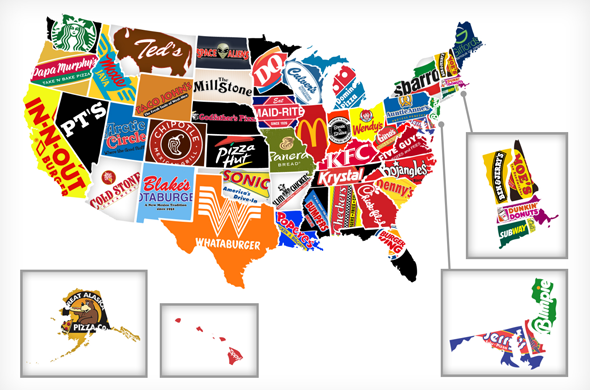
Could living or working near fast food shops make you obese?

It may seem like an obvious association: exposure to fast food restaurants and likelihood of obesity. But researchers whose study revealed these findings say the link shows evidence of a "dose-response relationship" and could have implications in the wake of the increasingly worrisome public health issue that is obesity.

Publishing their work on bmj.com the researchers, from the University of Cambridge in the UK, say people exposed to fast food establishments around their home, at work or during their commute are much more likely to consume such foods.

In the UK, consumption of food outside the home has risen by 29% during the past 10 years, the researchers say. They add that this could be contributing to rising numbers of overweight and obese individuals.

According to the Centers for Disease Control and Prevention, between 2007 and 2010, adults in the US consumed an average of 11.3% of their total daily calories from fast food, a known contributor to weight gain.

The researchers say that though policies have focused more on this topic in the recent past, identifying the link between exposure to unhealthy foods, diet and body weight has been a challenge.

To investigate further, the team examined how exposure to fast food outlets in both home and non-home environments was linked with eating such food, body mass index (BMI) and the chances of being overweight or obese.

By using data from a population-based cohort study, called the Fenland Study, the researchers were able to assess adults between the ages of 29 and 62 who lived in Cambridgeshire in 2011.

In total, 5,442 participants took part in the study, all of whom worked outside the home.
Group most exposed to fast food had higher BMI

Along with including food shops in home and work neighborhoods, the researchers say their study incorporated fast food shops along commuting routes, which were fashioned according to how individuals traveled.

There are several factors associated with obesity risk that the analysis included, such as age, sex, household income, education, car ownership, energy intake, smoking status and physical activity.

The team notes they objectively assessed physical activity through the Fenland Study by using heart rate sensors and accelerometers, which the participants wore.

Additionally, the researchers estimated daily intake of pizza, burgers, fried food and french fries as a marker of fast food after analyzing the food frequency questionnaires, and they calculated BMI from measured height and weight.

Overall, the study participants were exposed to 48% more fast food establishments at work, compared with at home, and the average total exposure level was 32 fast food shops.

After looking at exposure levels at work, home and during the commute, the researchers observed that more exposure resulted in higher fast food consumption. In the most exposed group of people, the average fast food consumption level was 5.7 g per day more than the least exposed group.

And when the team focused on BMI, they found that the group most exposed to fast food shops in all three environments combined had a BMI that was 1.21 greater than the group that was least exposed.

Overall, the most exposed group was twice as likely to be obese, compared with the group that was least exposed.
'Causal link cannot be confirmed'

Though their findings are significant, the researchers say this type of population study cannot confirm that there is a causal link between obesity and environment.

However, they say they found an "environmental contribution to the consumption of takeaway foods, and especially to BMI and the odds of being obese."

There were also some limitations to the study. For example, they used a 1-mile radius to represent home and work neighborhoods, but they add that neighborhood definitions vary from person to person or between work and home.

Additionally, they say fast foods can be bought from other types of shops - for example, cafeterias at work - and they did not control for these types of food sources.

Finally, the team notes that they did not know how long the participants had been exposed to the environments used in the study, so this adds a further limitation to the study.

Still, the researchers say their findings suggest that policies aimed at improving diets by limiting fast food availability would likely be most effective if centered around workplaces.

Source: medicalnewstoday.com

Obesity rates in Canada have tripled in less than 3 decades

Obesity rates in Canada tripled between 1985 and 2011, from 6% to 18%, with significant increases in the very obese categories; it is projected that approximately 21% of Canadian adults will be obese by 2019, according to an article published in CMAJ Open.

Obesity, defined as a body mass index (BMI) of 30 or higher, has substantial adverse health risks such as high blood pressure, diabetes and cancer. As well, obesity has an associated annual cost in Canada estimated at between $4.6 and $7.1 billion.

Normal weight is classified as BMI 18.5-24.9, overweight as BMI 25.0-29.9, obesity class 1 as BMI 30.0-34.9, obesity class II as BMI 35.0-39.9 and obesity class III as BMI 40 or over.

"Although class I obesity appears to be increasing at a slower rate in Canada, the rate for the higher classes of obesity continue to increase disproportionately, a finding consistent with other studies," writes Dr. L.K. Twells, Associate professor, School of Pharmacy and Faculty of Medicine, Memorial University, St. John's, Newfoundland, with coauthors. "These results raise concern at a policy level, because people in these obesity classes are at a much higher risk of developing complex care needs."

Canadian researchers looked at national and provincial data from a number of Canadian health surveys conducted between 1985 and 2011 to determine historical, present and future trends, useful information for examining whether initiatives to reduce obesity have been successful. The analysis is based on self-reported heights and weights, which have been shown to underestimate BMI and therefore obesity rates. The current data are therefore most likely an underestimation of these rates although the trends are accurate.

The study shows some worrying trends. Although every province had increased obesity rates, some had greater increases than others. Obesity rates were lower in the west and higher in the eastern provinces, with Newfoundland and Labrador and New Brunswick having the highest rates.

In general, people over age 40 years were more likely than younger people to be overweight or obese.

Some national trends:

    Between 1985 and 2011, obesity rates increased 200% (from 6% to 18%).
    Specifically, obesity class 1 rates increased 157% (from 5% to 13%), obesity class II rates increased 350% (0.8% to 3.6%) and obese class III rates increased 433% (0.3% to 1.6%).
    Between 2000 and 2011, all provinces had increased rates in obesity classes I, II (except Saskatchewan) and III.
    Newfoundland and Labrador had the highest rates of class I obesity, New Brunswick and Nova Scotia had the highest rates of obese class II (5.7%), and New Brunswick had the highest rates of class III (2.8%).

By 2019:

    Twenty-one percent of Canadians are projected to be obese, although this percentage will vary by province, from 15.7% in British Columbia to 34.6% in Newfoundland and Labrador.
    There will be more overweight and obese than normal-weight adults living in Newfoundland and Labrador, Nova Scotia, New Brunswick, Saskatchewan and Manitoba.

The authors suggest that although national, provincial and local initiatives exist to encourage healthy lifestyles and weight management, it is difficult to know which strategies are effective without a detailed analysis.

"One potential challenge to country-wide initiatives in Canada stems from the fact that although the publicly funded health system is governed by federal legislation, the Canada Health Act (CHA), the actual provision of health services comes under provincial and territorial jurisdiction," the authors write.

"An improved understanding of why such substantial interprovincial variations exist is necessary, including a focus on evaluating existing policies, programs and approaches to the prevention, management and treatment of obesity," conclude the authors.

Source: medicalnewstoday.com

Mother's diet linked to premature birth: fruits, vegetables linked to reduced risk of preterm delivery


Several studies have proposed the benefit of a diet rich in fruit and/or vegetables in prevention of premature birth. Researchers say that ealth professionals "would therefore be well advised to reinforce the message that pregnant women eat a healthy diet."

Pregnant women who eat a "prudent" diet rich in vegetables, fruits, whole grains and who drink water have a significantly reduced risk of preterm delivery, suggests a study published on bmj.com today. A "traditional" dietary pattern of boiled potatoes, fish and cooked vegetables was also linked to a significantly lower risk.

Although these findings cannot establish causality, they support dietary advice to pregnant women to eat a balanced diet including vegetables, fruit, whole grains, and fish and to drink water.

Preterm delivery (before 37 weeks of pregnancy) is associated with significant short and long term ill-health and accounts for almost 75% of all newborn deaths.

Evidence shows that a mother's dietary habits can directly affect her unborn child, so researchers based in Sweden, Norway and Iceland set out to examine whether a link exists between maternal diet and preterm delivery.

Using data from the Norwegian Mother and Child Cohort Study, they analyzed preterm births among 66,000 women between 2002 and 2008.

To be included, participants had to be free of diabetes, have delivered a live single baby, and completed a validated food frequency questionnaire on dietary habits during the first four to five months of pregnancy.

Factors that may have affected the results (known as confounding), including a mother's age, history of preterm delivery and education were taken into account. Preterm delivery was defined as delivery between 22 and <37 weeks of pregnancy.

The researchers identified three distinct dietary patterns, interpreted as "prudent" (vegetables, fruits, oils, water as a beverage, whole grain cereals, poultry, fibre rich bread), "Western" (salty and sweet snacks, white bread, desserts, processed meat products), and "traditional" (potatoes, fish, gravy, cooked vegetables, low fat milk).

Among the 66,000 pregnant women, preterm delivery occurred in 3,505 (5.3%) cases.

After adjusting for several confounding factors, the team found that an overall "prudent" dietary pattern was associated with a significantly reduced risk of preterm delivery, especially among women having their first baby, as well as spontaneous and late preterm delivery.

They also found a significantly reduced risk of preterm delivery for the "traditional" dietary pattern. However, the "Western" dietary pattern was not independently associated with preterm delivery.

This indicates that increasing the intake of foods associated with a prudent dietary pattern is more important than totally excluding processed food, fast food, junk food, and snacks, say the authors.

They stress that a direct (causal) link cannot be drawn from the results, but say the findings suggest that "diet matters for the risk of preterm delivery, which may reassure medical practitioners that the current dietary recommendations are sound but also inspire them to pay more attention to dietary counselling."

These findings are important, as prevention of preterm delivery is of major importance in modern obstetrics. They also indicate that preterm delivery might actually be modified by maternal diet, they conclude.

In an accompanying editorial, Professor Lucilla Poston at King's College London, says healthy eating in pregnancy is always a good idea.

She points to several studies that have proposed the benefit of a diet rich in fruit and/or vegetables in prevention of premature birth, and says health professionals "would therefore be well advised to reinforce the message that pregnant women eat a healthy diet."

Source: sciencedaily.com

Yet more evidence of the amazingly versatile power of probiotics: Probiotic microflora found effective in weight loss efforts.


Much has been made of the amazing power of probiotics in not only boosting the digestive and immune systems but in whole-body health. Now it appears that those symbiotic, friendly little bacteria have the ability to help us lose fat, particularly from the abdominal region. They do this by regulating the hormones in our bodies that send signals to our brain relating to being hungry or full, by destroying fat calorie absorption in the intestines, and by boosting our energy levels, giving us the motivation to power through a workout or just everyday activities that keep our metabolisms churning and burning fat.

Regulating hormones: How probiotic microflora normalize appetite
The hormones that control these "hungry" or "full" signals are called leptin and ghrelin. When the gut has the correct balance of microflora, these hormones function normally. But when our gut is devoid of "friendly" bacteria, specifically H. Pylori, the hormones don't function correctly and we can't regulate our appetites, and we are apt to overeat. Thus, probiotics can help us regulate our appetites, preventing obesity. Unfortunately, there are many things in our modern world that destroy our populations of microflora, such as antibiotics, pesticides, chlorine exposure, coffee, carbonated beverages, and food additives and preservatives, for example. Thus it is important to regularly supplement our diets with probiotic-rich foods such as yogurt, kiefer and sauerkraut (or probiotic flora-food supplements).

How the presence of microflora curbs abdominal weight gain
When our systems lack a healthy microfloral population, we digest all the food we eat and absorb all the calories. Certain microfloral bacteria (such as lactobacillus fermentum and lactobacillus amylovorus) interfere with the absorption of calories when present in the gut. This equates to some of the ingested calories being excreted from our systems, and less calories being converted into abdominal fat.

The way microflora accomplish this is by preventing the intestines from absorbing fat calories. During the digestive process, the liver comes into play by secreting soapy chemicals called bile salts which mix with fat to help digest it. The microflora bacteria eat up and destroy the bile salt, thereby interfering with absorption of fat.

Probiotics and their role in energy production: How our energy levels affect weight loss or gain
The presence of probiotics in our systems has a critical role to play in digestion and energy production. When our systems are devoid of "friendly" bacteria, our digestion is impaired significantly and our bodies must use extra energy to digest food, resulting in decreased energy levels. Decreased energy levels is connected to lower levels of motivation to exercise or engage in activities that would burn fat and help us lose weight. Thus it is critical to tune up our systems by regularly supplementing with a good source of probiotic microflora to maintain our bodies in tip-top fat-burning shape.

Source: naturalnews.com

Obese schoolgirl loses SIX STONE to battle for Junior Olympics swimming gold


Breanna Bond shed the weight in just over a year and has now qualified for the Junior Olympic Games

A schoolgirl shed six stone to go from clinically obese to junior Olympic athlete.

Breanna Bond, 11, weighed 14 stone and her weight made her a target for bullies.

Just 14 months ago her mum Heidi decided it was time for Breanna, from California, to get fighting fit.

Now after a healthy diet and plenty of exercise, eight stone Breanna has her sights set on gold at the Junior Olympic Games.

Breanna wants to be a triathlete and cheerleader and has already qualified for the 500-yard freestyle swimming competition at the Junior Olympic Games.

She said: "I feel like I can move more in sports now and it's a lot easier for me in cheerleading and cross country. I can just go faster."

Breanna was just two years old when mum Heidi noticed her daughter was gaining weight faster than children her own age.

By the age of nine, she was so large she was being bullied at school.

Heidi said: "I thought maybe it could have been a thyroid issue, maybe some kind of genetic disorder.

In the end though Heidi realised good old Southern fried cooking was to blame.

She said: "We would make fried chicken, mashed potatoes and gravy, and chicken fried steak."

They have now launched a website dedicated to Breanna's weight-loss journey in a bid to inspire other children who are overweight.

Heidi explained: "It's an inspirational site to help encourage other children everywhere to get motivated, to exercise and to lose the weight."

Source: mirror.co.uk

Curbing feline obesity by offering smaller more frequent meals

Just as with people, feline obesity is most often linked to excessive food intake or not enough physical activity. Attempts to cut back on calories alone often result in failed weight loss or weight regain in both people and their pets.

So how do you encourage your cat to get more exercise?

Researchers from the University of Illinois interested in finding a method to maintain healthy body weight in cats, looked at a previously suggested claim that increased meal frequency could help to increase overall physical activity.

The idea is to feed cats the appropriate amount of food needed to maintain a healthy body weight, but to offer it in more frequent, smaller meals throughout the day.

Animal sciences researcher Kelly Swanson and his lab at U of I determined that both increasing the frequency of meals fed per day, as well as offering meals that contained added dietary water - "neither method involved decreasing the overall amount of daily food intake - did promote more physical activity among the cats in the study.

"It all comes down to energy in and energy out. It's very simple on paper, but it's not that easy in real life, especially in a household where there is more than one pet. That can be difficult, but I think these two strategies are very practical ideas that people can use," Swanson said.

During the two-part study, the researchers evaluated the activity of the cats between meals using activity collar monitors. In the first experiment, the cats were divided among four rooms and were given dry kibble meals four times per day, two times per day, one time per day, and in the fourth room, were fed a random number of meals per day. The overall amount of food fed to each cat in each room per day was the same; feeding frequency varied.

In the second experiment, the cats were divided among two rooms and were fed twice per day with a 70 percent hydrated diet, using similar amounts of dry kibble used in the first experiment to maintain body weight. Water was added to the kibble an hour before each meal time, Swanson explained.

The cats were placed in their individual cages only during mealtimes so that the researchers could accurately monitor their food intake. During the activity monitoring times, the cats had limited interaction with people.

The researchers evaluated the cats' food anticipatory activity (FAA), which included the activity of each cat two hours before meals were given. During the dry kibble experiment, they noticed that the cats were much more active during those anticipatory times, especially those fed four meals per day and those given meals at random times.

"If they know they are going to get fed, that's when they are really active, if they can anticipate it," Swanson said.

The cats showed an even greater spike in physical activity in the second experiment when they were fed meals with the added water. However, Swanson said the biggest difference in peak activity times with this group occurred in the periods after they had eaten. He added that the researchers had not determined why this was, though factors such as increased use of the litter box, for example, could have come into play.

"I think veterinarians will be interested in this information because it gives them evidence to be able to recommend something to pet owners that could help with feline obesity and diabetes," Swanson said. "When cats are allowed to feed ad libitum, it's difficult to prevent obesity. It is important to identify the right diet. Many owners are accustomed to dumping a pile of food out for multiple cats, just once per day.

"The owner does have an active role in helping with weight management," he added.

Owners often overfeed their cats, assuming that the small amount of food needed isn't going to fill their cat or dog. "Because most pet foods are so digestible and nutrient dense, owners see that small bowl of food and think there's no way they can survive on that but they can," Swanson said.

The key is figuring out how much food is needed to maintain your cat's healthy body weight.

"It is tricky because labels on pet food provide ranges for how much should be fed. If you're feeding a cat, that food is supplied to thousands of cats with different metabolism. Some are spayed or neutered, and ages are different," Swanson explained.

Adding water to dry food, or using wet canned food, may provide a greater gut fill to pets. Swanson also said once the dry kibble absorbs the water, it does look like "more" to the owner, perhaps alleviating the fear that the pet is not eating enough.

He added that rotating between dry kibble meals and wet or canned food could also help in maintaining body weight. Recognizing that the lifestyle of pet owners may not allow for regulating multiple feedings per day, Swanson said if a pet owner could even go from offering only one meal per day to two, it could possibly promote more physical activity.

"With cats, one of the tricky things is that few people can walk their cats. We haven't done studies looking at what happens if you are just in the room with the cat more often and how active you can encourage your cat to be by playing with it. There could be other strategies. From a diet perspective, this is something that is relatively simple," he said.

Source: medicalnewstoday.com